Zara
Zara is the largest brand of Inditex, the world’s biggest fashion group, with around 2,000 stores. It opened as a single shop in A Coruña, in north-west Spain, in 1975 — and very nearly opened under a different name.
A Name From a Film
When Amancio Ortega and Rosalía Mera were preparing to open their first shop in 1975, they chose a name from the cinema: Zorba, after the 1964 film Zorba the Greek.
Then they discovered a bar called Zorba two blocks away. Rather than start over, they rearranged the letters and settled on Zara.
It is a small story, and a revealing one. The company that grew from that shop has always preferred adapting quickly with what it has to waiting for a perfect plan — and it built one of the most admired supply chains in retail on exactly that habit.
A Shop Boy in A Coruña
Ortega was born in 1936 in Busdongo de Arbas, in the province of León, the youngest of four children of a railway worker. The family moved to A Coruña in Galicia, and at fourteen he left school to work for a local shirt-maker.
The trade taught him the lesson that would define his business. Clothing travelled slowly and expensively from the people who made it to the people who bought it, and much of the price was the cost of that distance.
In 1963 he started his own company, Confecciones Goa — his initials reversed — making quilted bathrobes. In 1966 he married Rosalía Mera, who also worked in the clothing trade, and the couple built the business together, at first making clothes in their own home.
Juan Flórez Street, 1975
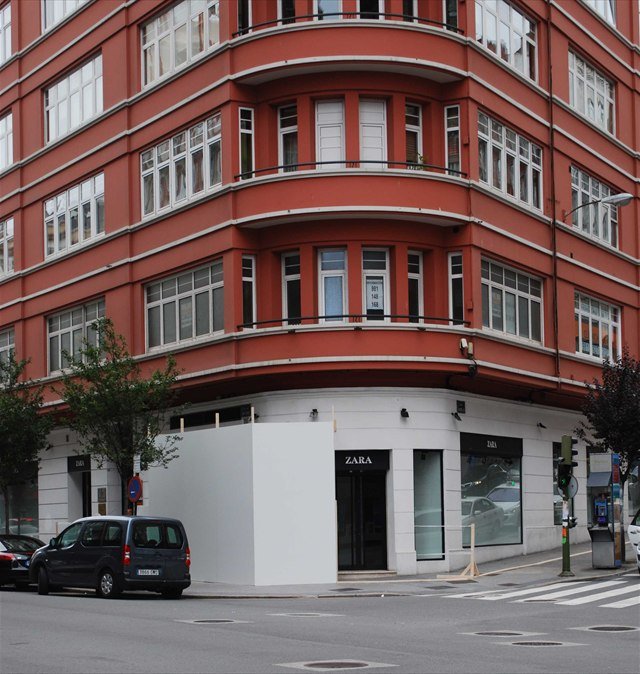
The first Zara opened in 1975 on Juan Flórez street in A Coruña. It sold fashionable clothes at low prices — affordable versions of the looks people saw in more expensive shops — made in the couple’s own workshops.
Owning both the manufacturing and the shop was unusual in fashion retail, where brands typically ordered stock months ahead from separate factories. It gave Ortega something the rest of the industry lacked: the ability to see what was selling in his shop on Monday and change what his workshops made by the end of the week.
More shops followed across Spain. By the mid-1980s the business needed a formal structure, and in 1985 Ortega created a holding company, Industria de Diseño Textil — Inditex.
Weeks, Not Seasons
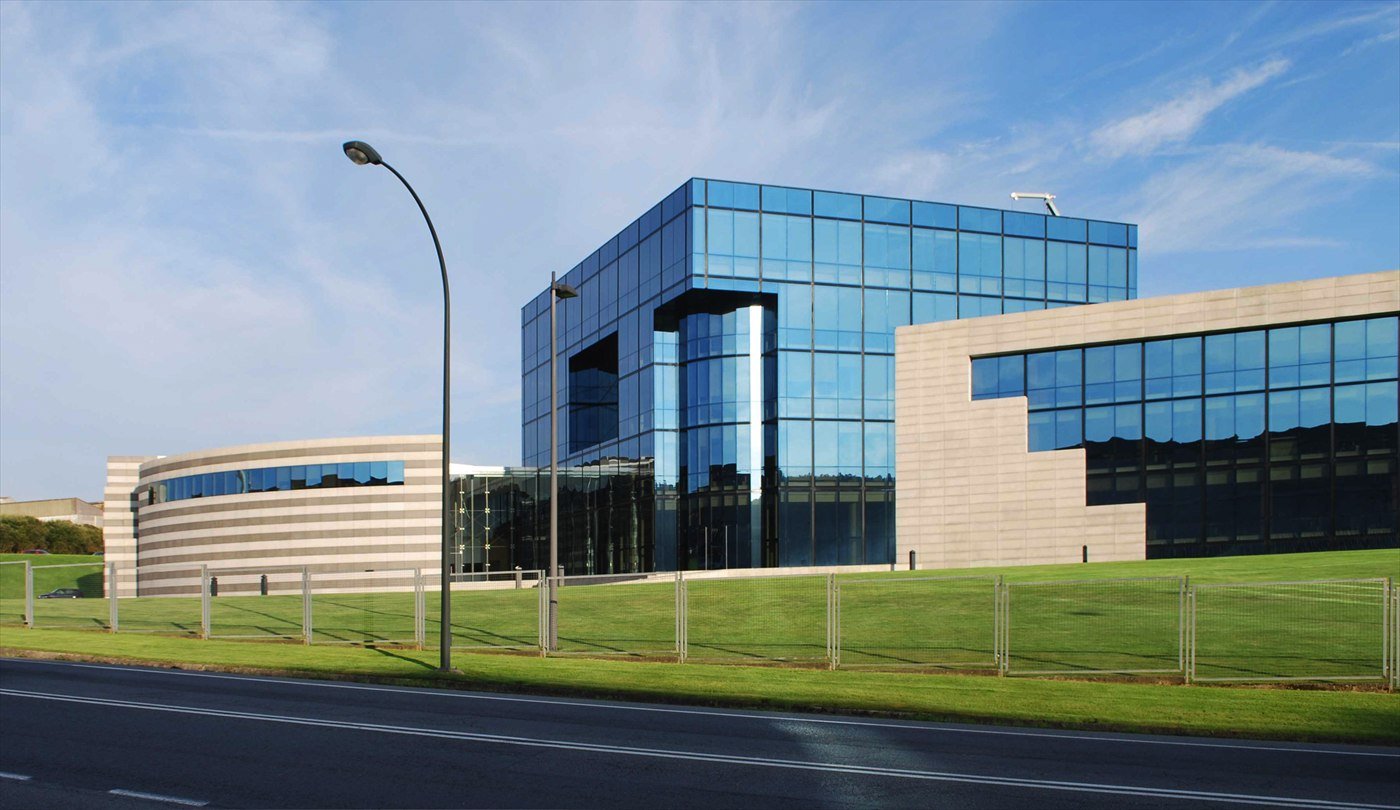
The system that made Zara famous rests on a handful of decisions, most of them contrary to how the rest of the industry worked.
Speed over forecasting. Traditional retailers designed collections many months ahead and hoped they had guessed right. Zara can design a new product and have it in stores in four to five weeks, and change an existing one in as little as two. Instead of predicting fashion, it reacts to it.
Small batches. Items are made in limited quantities, and some fashion-led designs stay on the shelves for less than four weeks. Customers learn to buy what they like at once, and to expect something new next time — which brings them back far more often.
Production close to home. Much of the fastest-changing clothing is made in or near Spain — in Portugal, Morocco and Turkey — rather than only in distant low-cost countries, trading higher unit costs for speed.
Information early. In the 1980s Ortega hired a local lecturer, José María Castellano, to build the company’s computer systems; Castellano later became chief executive. What shop managers heard from customers flowed back to Arteixo and turned into production.
And, unusually for a global brand, Zara has traditionally spent very little on advertising. Its shops, in prominent streets, did that job.
Porto, New York, Paris
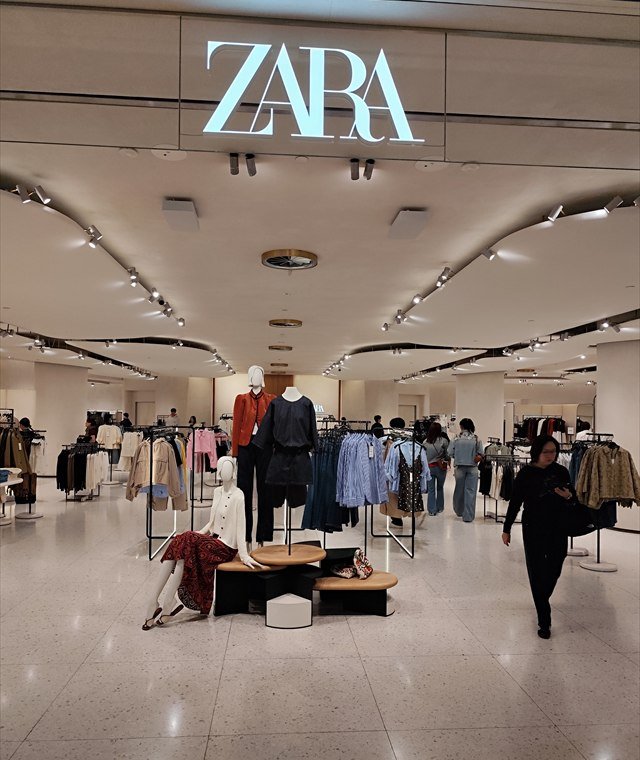
Zara opened its first shop outside Spain in 1988, in Porto, Portugal. New York followed in 1989 and Paris in 1990, and through the 1990s the chain spread across Europe, Latin America and the Middle East.
Inditex added brands for different customers — Pull&Bear, Massimo Dutti, Bershka, Stradivarius, Oysho and Zara Home among them — each run on the same principles.
In 2001 Inditex floated on the Madrid stock exchange. Ortega, who had spent decades avoiding publicity and allowed very few photographs of himself, made a public appearance before the flotation that made headlines in the Spanish financial press simply because it happened.
The Richest Man Few Recognised
Ortega owns about 59 per cent of Inditex. For a brief period in 2015, when the company’s shares peaked, he passed Bill Gates as the richest person in the world, with a fortune of around $80 billion.
Much of his dividend income has gone into property through his investment company, Pontegadea, which owns office buildings and landmark sites in cities from Madrid to New York. His foundation has also given large sums to Spain’s public health service for cancer-treatment equipment.
He stepped back from running the company in 2011, handing the chairmanship to his long-time chief executive, Pablo Isla. In 2022 his daughter Marta Ortega became chair of Inditex, with Óscar García Maceiras as chief executive. Rosalía Mera, his first wife and co-founder, who had become one of Spain’s richest women through her own shareholding, died in 2013.
The Workers Behind the Speed
A business built on speed and low prices depends on the people who make the clothes, and Zara’s record there has been questioned.
In August 2011 Brazilian labour inspectors found workers making clothing for Zara at a subcontractor in São Paulo in conditions they compared to slavery, and the workshop was closed. Inditex blamed an unauthorised subcontractor and tightened its audits.
After the Rana Plaza building collapsed near Dhaka in April 2013, killing more than 1,100 garment workers, Inditex was among the brands that signed the Accord on Factory and Building Safety in Bangladesh, which brought independent inspections of supplier factories. Later that year garment workers making clothes for Zara’s suppliers protested for a minimum wage of $100 a month.
The criticism has never entirely gone away, and it cannot be separated from the model. Clothes that change every few weeks and cost little are made by someone, somewhere, under pressure.
Zara Today
In the financial year to January 2025, Zara and Zara Home together had sales of about €27.8 billion, from roughly 2,000 Zara stores and a large online business. Inditex as a whole reported sales of €38.6 billion and net income of €5.9 billion, with about 162,000 employees and 5,563 stores.
The model Zara pioneered has been copied, and in one respect overtaken. Online-only sellers such as Shein design and sell faster and more cheaply still, without the cost of shops. Zara’s response has been to move up rather than down — better materials, fewer and larger stores, higher prices — and to push further into the United States, which Inditex in September 2026 described as a key market for future growth. Its lower-priced brand, Lefties, planned 200 new stores across Europe in 2026.
Its oldest rival took the opposite route. The story of H&M, built on volume rather than speed, is told separately in this archive.
What Could Still Go Wrong
Three things are worth stating.
The environmental cost of speed. A business built on frequent new collections is, by design, one that encourages people to buy more clothes. As regulators, particularly in Europe, move against textile waste, the model that made Zara may be the one most constrained.
Competition from both directions. Online rivals move faster and cheaper; premium brands hold the loyalty Zara is trying to earn. Moving upmarket without losing the customers who came for low prices is delicate.
The people in the supply chain. Zara’s speed depends on factories it does not own, in countries where labour standards are hard to guarantee. One serious incident can undo years of audits.
The shop was nearly called Zorba. Half a century later its name is known almost everywhere clothes are sold — some consolation, perhaps, for the bar two blocks away.
Common Questions
Who founded Zara?
Why is Zara called Zara?
How fast is Zara’s supply chain?
What is Inditex?
Who owns Zara?
How big is Zara?
How This Was Written
Figures are as at the date of publication. Inditex’s financial year ends on 31 January; corrections are welcome.
Photography is public domain or CC0 and is credited in the site’s image credits. Corrections: commissions@99founder.com.