YouTube
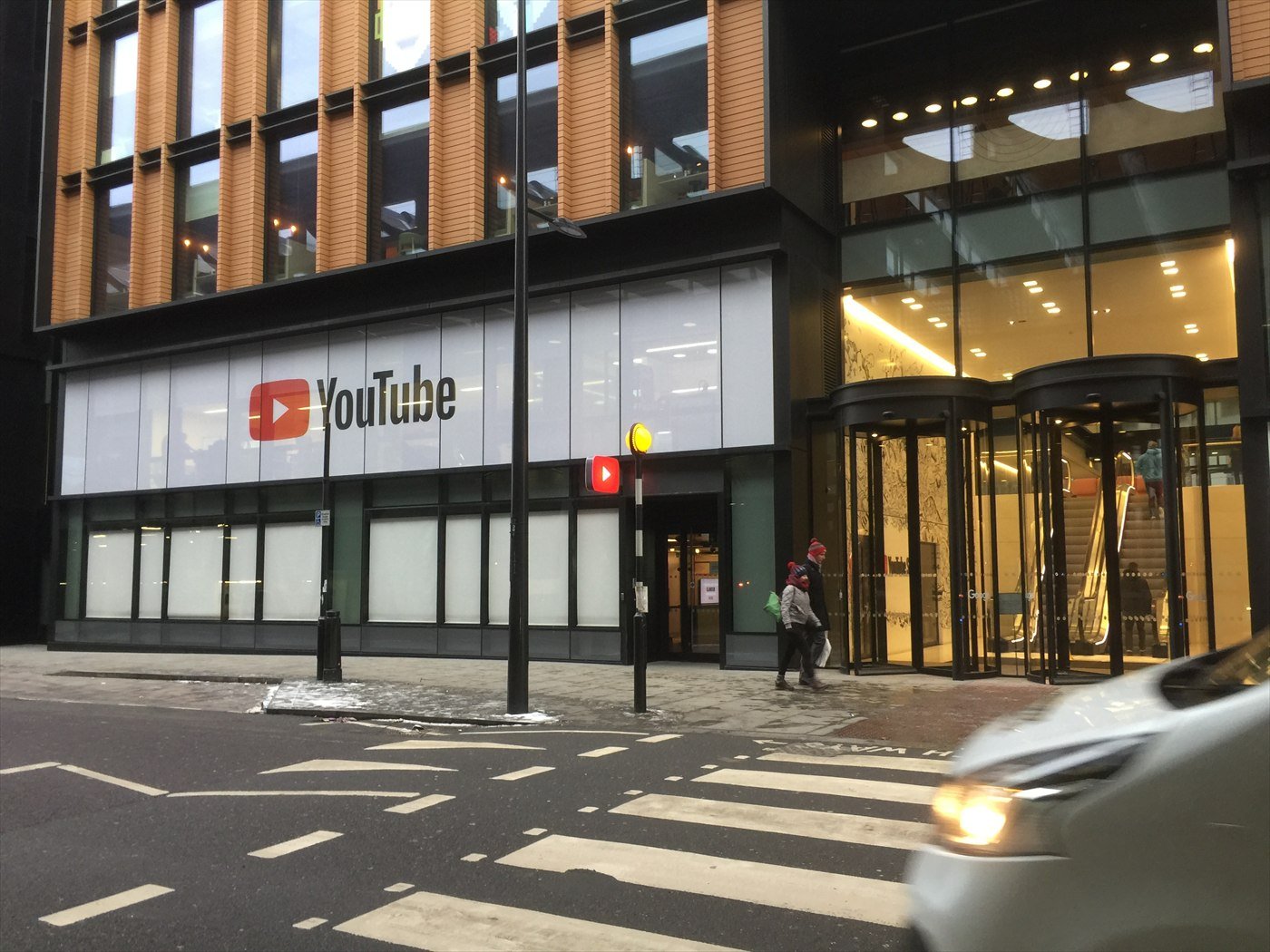
YouTube is the world’s largest video platform, owned by Google. More than 2.7 billion people use it every month, and together they watch more than a billion hours of video a day. It was started in 2005 as a site for dating videos, and almost nobody uploaded one.
A Dating Site Nobody Used
YouTube’s founders did not set out to build a television network. Chad Hurley and Steve Chen later said the original idea was a video version of an online dating service, influenced by the rating site Hot or Not: people would upload clips of themselves, and others would browse.
It did not work, because too few people wanted to upload a dating video. Rather than give up, the founders dropped the restriction and let people upload any video at all.
That is the whole pivot, and it is worth remembering. The technical problem the site had solved — making it easy to put a video on the internet and watch it in a browser — turned out to be far more valuable than the purpose it had been built for.
Nineteen Seconds at the Zoo
Hurley, Chen and Jawed Karim had all been early employees at PayPal, and had money from eBay’s purchase of that company. YouTube was founded on 14 February 2005, and its first office was above a pizzeria and a Japanese restaurant in San Mateo, California.
The first video, uploaded on 23 April 2005, is nineteen seconds long. Titled Me at the zoo, it shows Karim standing in front of the elephants at San Diego Zoo, remarking on their very long trunks. It is still on the site and has been watched hundreds of millions of times.
Growth was immediate. In November 2005 the venture firm Sequoia Capital invested $3.5 million, and Roelof Botha, a Sequoia partner and PayPal’s former finance chief, joined the board. Sequoia and Artis Capital added $8 million in April 2006. By then YouTube was one of the fastest-growing sites on the web — and was hosting a great deal of video it had no right to show.
Google Pays $1.65 Billion
On 9 October 2006 Google announced that it would buy YouTube for $1.65 billion in stock, completing the purchase on 13 November. The company was about twenty months old and earned little.
The price was widely mocked, partly because the risks were obvious. Much of YouTube’s popularity rested on clips of television programmes, films and music that users had uploaded without permission, and media companies were preparing to sue. Google, critics said, had paid $1.65 billion for a lawsuit.
What Google had actually bought was the place the internet had chosen to watch video. It already had the advertising system to make money from an audience; YouTube supplied the audience. The purchase is now routinely counted among the best acquisitions in the history of technology.
The Lawsuit and the Fingerprint
The lawsuits came. In 2007 the media company Viacom, owner of MTV and Comedy Central, sued YouTube and Google for $1 billion, alleging copyright infringement on a large scale. Other rights holders, from European broadcasters to England’s Premier League, brought claims of their own.
In court, YouTube relied on the American law that shields platforms which remove infringing material when they are notified. In business, it relied on technology. The system that became Content ID lets rights holders submit reference copies of their work; YouTube creates a digital fingerprint of each and checks uploads against the database.
The clever part was the choice it offered. When a match is found, the owner can block the video — or leave it up and collect the advertising revenue. Much of the music industry chose the money. The Viacom case ran for seven years before it was settled in 2014, by which time Content ID had turned YouTube’s biggest liability into a licensing business.
Paying the People Who Upload
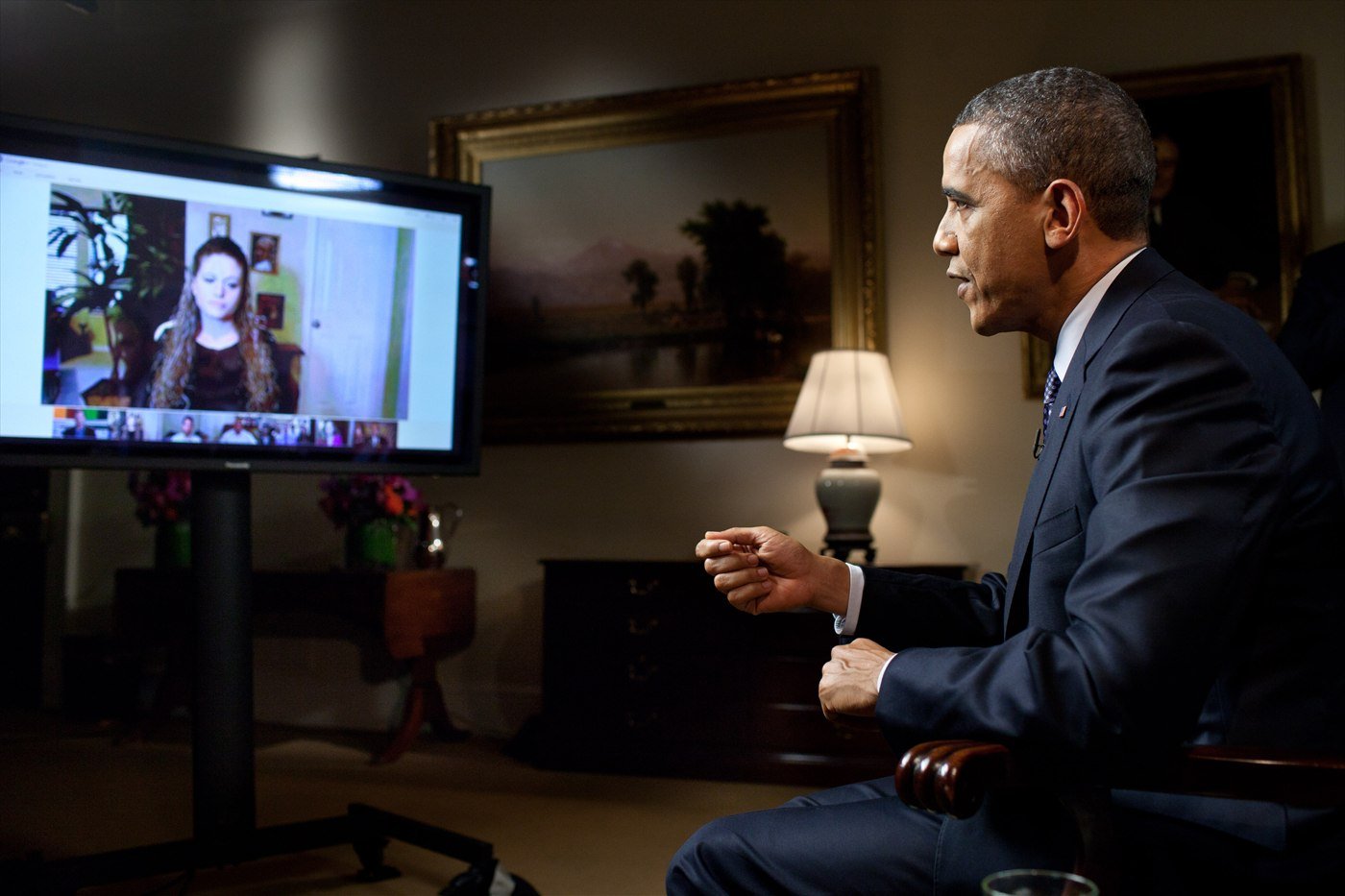
In May 2007 YouTube launched its Partner Program, sharing advertising revenue with the people who made the videos. Under the standard arrangement the creator receives 55 per cent of the advertising money their videos earn, and YouTube keeps 45.
The consequences were enormous. Paying uploaders turned a hobby into a job and created a profession, the YouTuber, that had not existed before. By 2012 its top five hundred partners were each earning more than $100,000 a year.
On 21 December 2012 the video for “Gangnam Style” by the South Korean singer PSY became the first to pass one billion views. A Korean-language song reaching that audience largely through sharing, rather than through Western radio, showed what the platform had become: a global distribution system open to anyone.
When the Advertisers Left
In February 2014 Google made Susan Wojcicki, one of its earliest employees, chief executive of YouTube. She ran it for nine years, through its most difficult period.
In 2017 major advertisers found their adverts running beside extremist and offensive videos, and pulled their spending. YouTube tightened the rules on who could earn money: from April 2017 a channel needed at least 10,000 lifetime views before joining the Partner Program, and the thresholds were later raised again. Many smaller creators saw their income fall, and complained that the rules were applied unevenly.
The episode exposed the tension at the centre of the business. YouTube needs a vast, open supply of video to hold its audience, and it needs advertisers who want nothing to do with part of that supply. Almost every moderation decision since has been an attempt to keep both.
Short Video and the Television Set
The next threat was TikTok. Short, vertical video served by an algorithm pulled younger viewers away from YouTube’s longer formats.
YouTube’s answer, Shorts, went into beta in September 2020, first in India, where TikTok had just been banned. It has since been extended to clips of up to three minutes, and from 2023 Shorts creators began sharing in advertising revenue.
At the same time YouTube quietly became television. A growing share of its viewing happens on large screens in living rooms, where it competes directly with Netflix and the broadcasters, and it added paid services beside the free one — YouTube Premium, YouTube Music and, in the United States, the YouTube TV subscription.
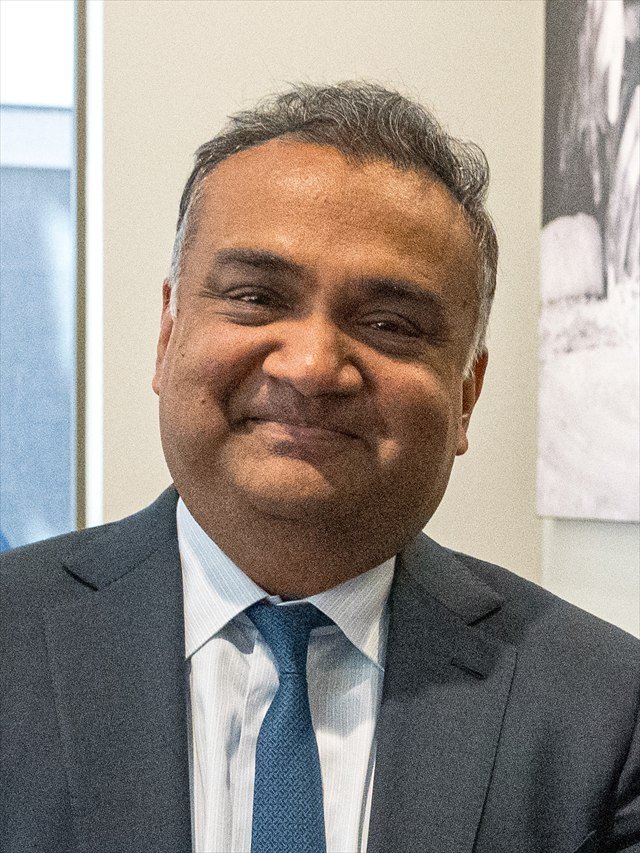
Wojcicki stepped down in February 2023 and died the following year. Her successor is Neal Mohan, previously the company’s chief product officer.
The Size of It
In January 2024 YouTube had more than 2.7 billion monthly users, who between them watched more than a billion hours of video every day. As early as 2019, more than 500 hours of video were being uploaded every minute.
Google does not report YouTube’s profit separately. Its advertising revenue was $31.7 billion in 2023; across the four quarters to September 2024, advertising and subscriptions together passed $50 billion; and for 2025 the total exceeded $60 billion.
A site built for dating clips became one of the largest media businesses in the world — while producing, for the most part, none of the video on it.
What Could Still Go Wrong
Three things stand out.
Moderation without end. YouTube decides what billions of people can watch, and every choice is contested. In September 2025 its parent company said it would reinstate creators who had been banned for spreading misinformation about COVID-19 and the 2020 US election — welcomed by some as a correction and condemned by others as a capitulation.
Children. A large part of the audience is young. In 2019 Google and YouTube paid $170 million to settle US allegations that YouTube had collected children’s data without parental consent, and regulators in several countries have since introduced age-assurance rules the platform must meet.
Dependence on creators. YouTube owns the platform but not the talent. Its most successful creators now run businesses of their own, and can take their audiences elsewhere if the terms change.
Nineteen seconds of a man in front of the elephants is still on the site. Almost everything else about it has changed.
Common Questions
Who founded YouTube, and when?
What was the first YouTube video?
Was YouTube originally a dating site?
How much did Google pay for YouTube?
Who runs YouTube?
How much money does YouTube make?
How This Was Written
Figures are as at the date of publication. Google reports YouTube’s revenue but not its profit; corrections are welcome.
Photography is public domain or CC0 and is credited in the site’s image credits. Corrections: commissions@99founder.com.