Spotify
Spotify is the world’s largest music-streaming service, with 777 million monthly users and 300 million paying subscribers in March 2026. It was founded in Stockholm in 2006 as a response to music piracy, and it did not have a profitable year until 2024.
Better Than Piracy
In the mid-2000s the music industry was losing a war. File-sharing let anyone download almost any song for nothing, sales of recorded music were collapsing, and the industry’s main response — suing its own customers — was not working.
Daniel Ek, a young Swedish technology entrepreneur, drew the conclusion that became Spotify’s founding idea. Piracy, he argued, could never be legislated away. The only way to beat it was to build something better than piracy — faster, easier and more complete — that also paid the people who made the music.
That sentence contains the whole business, including its central difficulty. A service good enough to beat free has to offer almost everything, which means licensing almost everything, which means paying for almost everything.
Two Swedes and a Torrent Client
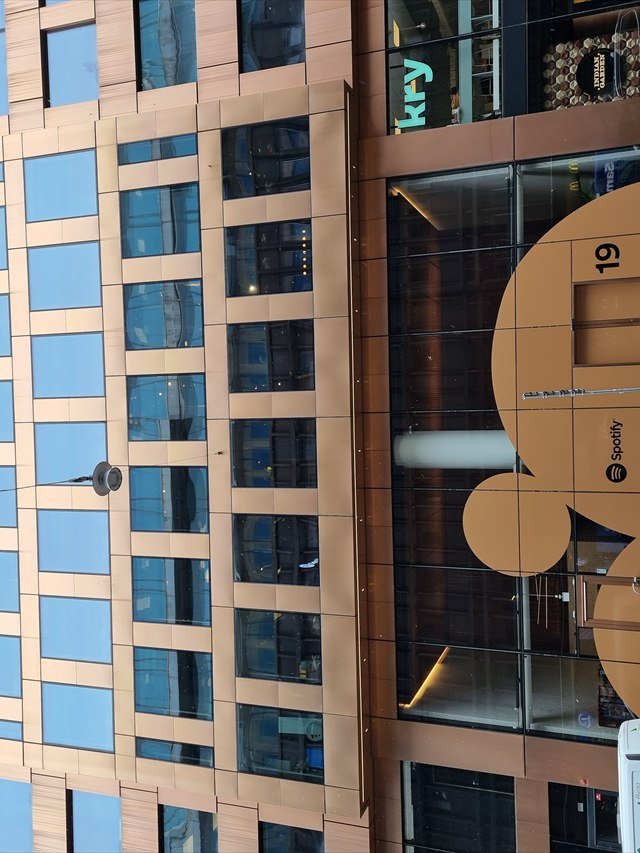
Ek founded Spotify with Martin Lorentzon in Stockholm in April 2006. They knew each other through business: Lorentzon had co-founded the online-marketing company TradeDoubler, which had bought Ek’s previous start-up, Advertigo.
Ek’s background had an ironic turn in it. After that sale he was briefly chief executive of µTorrent, a popular program for downloading files over BitTorrent — exactly the kind of software the music industry blamed for its troubles. He understood, better than most people pitching record labels, what Spotify was really competing against.
Sweden was a fitting place to start: it had fast broadband, early adopters and, in the Pirate Bay, the most notorious file-sharing site in the world.
Getting the Labels to Say Yes
Spotify needed licences from the major record companies before it could launch, and the labels had every reason for suspicion. A service that let people play any song on demand, often free with advertisements, looked to them like a more polite form of piracy.
The deals that made it possible gave the labels a share of revenue and equity stakes in Spotify itself. The service opened in several European countries in October 2008, with a free tier supported by advertising and a paid Premium tier without it. In 2008, just after launch, it lost 31.8 million Swedish kronor.
The basic model has hardly changed. Spotify pays out roughly 70 per cent of its revenue to rights holders, leaving a thin slice to run the service, market it and grow. That arithmetic is why profit took so long.
America and Taylor Swift
Negotiations with the American music industry took years. Spotify finally launched in the United States in July 2011, and within months it was built into Facebook’s new sharing features, which showed people what their friends were playing.
Growth brought the first sustained criticism from artists. Streaming paid by the play, and each play paid a fraction of a cent, which to many musicians looked like a collapse in the value of their work. In 2014 Taylor Swift removed her catalogue from Spotify, arguing that music should not be given away free. Radiohead’s Thom Yorke withdrew music as well.
Swift returned in 2017. The argument about what streaming pays has never ended.
A Listing Without an IPO
When Spotify became a public company it did so unusually. On 3 April 2018 its shares began trading on the New York Stock Exchange through a direct listing: no new shares were sold, no banks underwrote the offering, and existing shareholders simply became free to sell.
The method suited a company that did not need to raise money and did not want to pay the fees of a conventional initial public offering, and other technology companies later copied it.
By then Spotify was also fighting Apple, which ran a competing music service and took a commission on subscriptions sold through its App Store. Spotify complained to the European Commission in 2019, and in March 2024 the Commission fined Apple €1.8 billion over its App Store rules for music-streaming apps.
The Podcast Bet
Music licensing kept Spotify permanently squeezed, so it went looking for audio it could own. In February 2019 it bought the podcast studio Gimlet Media and the podcast-making platform Anchor, and over the following years spent heavily on exclusive shows — most prominently The Joe Rogan Experience, signed in 2020.
The strategy brought audiences and trouble in equal measure. In January 2022 some 270 scientists and doctors signed an open letter objecting to COVID-19 misinformation on Rogan’s show, and several musicians, among them Neil Young, pulled their music in protest.
The spending did not pay back as hoped. Spotify scaled back exclusive deals, merged its studios, and in 2023 cut staff in several rounds, the largest in December, when about 17 per cent of its workforce went. Podcasts remain on the service, alongside audiobooks; the idea of a Spotify-owned media empire has been quietly set aside.
Eighteen Years to a Profit
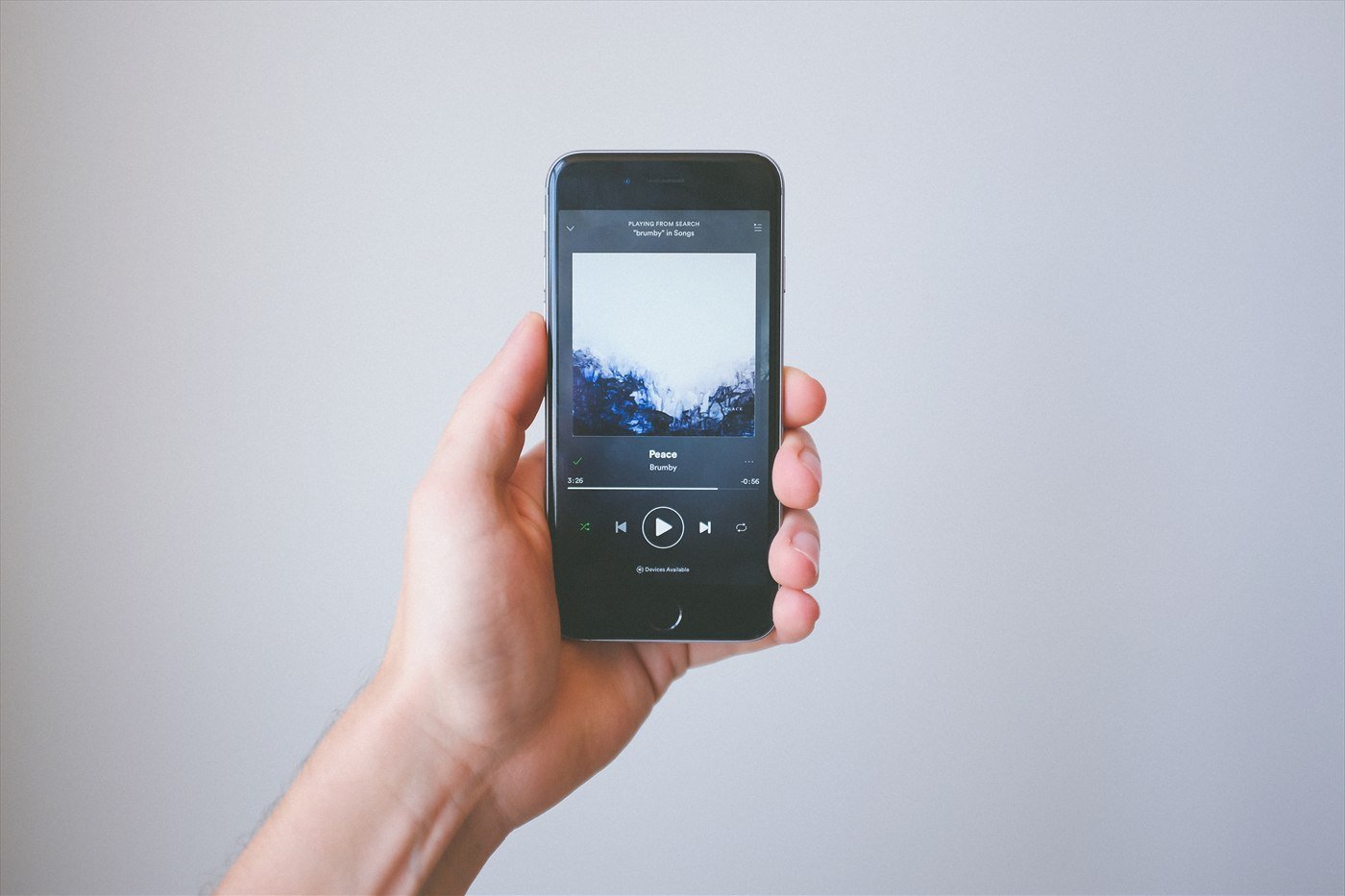
Job cuts, price rises and a narrower focus did what fifteen years of growth had not. Spotify reported its first profitable year in 2024: revenue of €15.7 billion, operating income of €1.37 billion and net profit of €1.14 billion. From its founding in 2006, it had taken eighteen years.
Users kept coming. By the end of 2025 Spotify had 751 million monthly users and 290 million paying subscribers; by March 2026, 777 million and 300 million. In September 2025 it began rolling out lossless audio to Premium subscribers.
At the start of 2026 Ek handed day-to-day control to two co-chief executives, Alex Norström and Gustav Söderström, and became executive chairman, keeping responsibility for capital allocation and long-term strategy.
What Could Still Go Wrong
Three things are worth stating.
Who gets paid. Spotify’s relationship with artists remains its most persistent weakness. Its 2024 change to the royalty system, meant to cut payments for very short “functional” tracks and for fraud, left many of the smallest artists earning less, and critics such as the journalist Liz Pelly have accused the company of steering listeners towards cheap background music.
The founder’s other interests. In July 2025 a number of artists boycotted Spotify after Prima Materia, an investment firm Ek co-founded, led a large funding round for Helsing, a German defence company that builds AI software and strike drones. The service and its founder’s investments are separate; many listeners and musicians did not see it that way.
Dependence on the labels. Spotify still licenses nearly everything it plays from a small number of record companies, which can ask for more at every renewal. Profit arrived when growth and price rises outran those costs; nothing guarantees they always will.
Ek’s founding bet was that a service better than piracy would win. It did. Making that service pay for itself was the harder problem, and it took eighteen years.
Common Questions
Who founded Spotify, and when?
When did Spotify first make a profit?
How much of its revenue does Spotify pay to music owners?
Why did Taylor Swift leave Spotify?
Is Daniel Ek still chief executive of Spotify?
How many users does Spotify have?
How This Was Written
Figures are as at the date of publication. Spotify reports in euros; corrections are welcome.
Photography is public domain or CC0 and is credited in the site’s image credits. Corrections: commissions@99founder.com.