Samsung
Samsung is South Korea’s largest business group, and its flagship, Samsung Electronics, is one of the world’s biggest makers of memory chips, smartphones and televisions. It began in 1938 as a small trading company in Daegu that sold dried fish and noodles.
The Bonfire at Gumi
In 1995 Samsung’s chairman, Lee Kun-hee, was told that too many of the mobile phones his company made were coming back faulty.
His answer has become the company’s founding parable. Some 150,000 phones and other devices were gathered at the factory in Gumi, piled up in front of the employees who had made them, and set on fire.
It is easy to read that as theatre, and it was. But it was theatre with a specific point. Samsung had grown for half a century by making things cheaply and in volume, and Lee had concluded that this would stop working. The bonfire was the moment the company was told, in a way nobody could misread, that quantity was no longer the goal.
A Trading House in Daegu, 1938
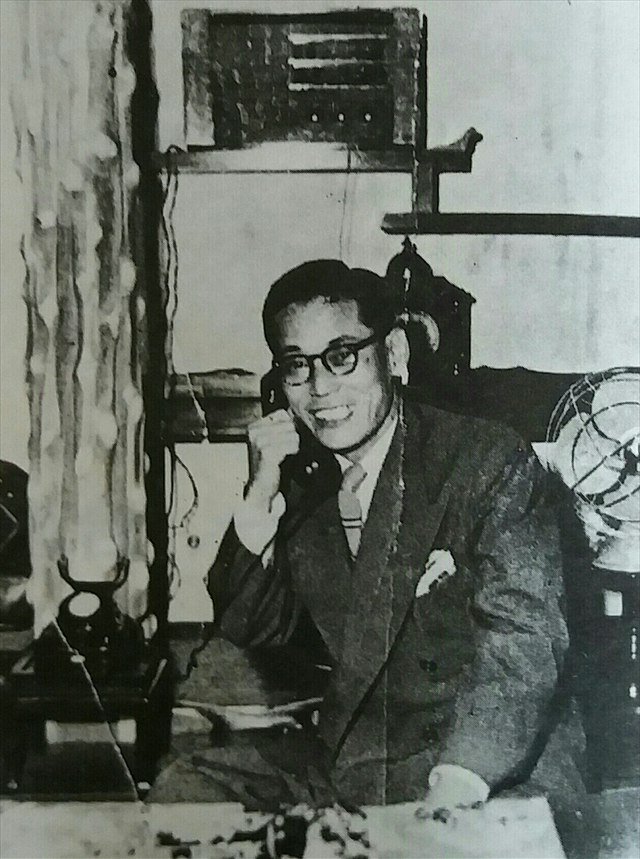
Lee Byung-chul came from a landowning family. In 1938, at twenty-eight, he opened a trading company in Daegu, then under Japanese colonial rule. It dealt in dried fish, locally grown groceries and noodles. He named it Samsung — “three stars”.
Over the next three decades the business moved into whatever post-war Korea needed and could pay for: food processing, textiles, insurance, securities and retail. By the 1960s it was one of the chaebol, the family-controlled conglomerates that the South Korean state used as the engines of its industrial plan.
That relationship matters for everything that follows. Samsung did not grow up in an open market. It grew up as an instrument of national development, with credit and protection offered in exchange for exports — and its affiliates still produce around a fifth of the country’s exports.
Learning Electronics From Japan
Samsung Electric Industries was set up on 13 January 1969 in Suwon. Lee knew very little about electronics, and he took advice from Toshio Iue, the founder of Japan’s Sanyo. By December the two companies had formed a joint venture.
The early products were black-and-white televisions, and the early strategy was straightforward: learn from Japanese partners, make the same things more cheaply, and sell them abroad. The business only really took off once it committed to exports rather than the protected market at home.
In 1974 the group also bought Korea Semiconductor, a small chipmaker on the edge of bankruptcy. It looked like a minor purchase. It became the most consequential thing Samsung ever bought.
The Tokyo Declaration
In February 1983 Lee Byung-chul announced that Samsung would become a maker of dynamic random-access memory — DRAM, the working memory inside every computer. The statement came to be known as the Tokyo Declaration.
By any sensible measure it was reckless. Japanese and American companies dominated the market and were more than a decade ahead. Samsung bought DRAM technology from Micron in the United States to get started, and a year later announced its own 64-kilobit chip, narrowing the gap, by its own estimate, to about four years.
Memory is a brutal business. Prices swing violently, and the winners are the companies willing to keep building factories through the slumps while everyone else cuts back. Samsung, backed by a deep-pocketed group and a government that wanted a chip industry, kept building. By the early 1990s it was the largest memory-chip maker in the world, and it has spent most of the years since in that position.
Change Everything Except Your Wife and Children
Lee Byung-chul died in 1987, and his third son, Lee Kun-hee, took over.
In 1993 the new chairman gathered his executives in Frankfurt and told them that Samsung was turning out large quantities of goods that were not good enough to compete with the best companies in the world. The line from that meeting is still quoted inside the group: change everything except your wife and kids. Lower sales, he said, were an acceptable price for better products.
The Frankfurt Declaration and the Gumi bonfire two years later were the same message delivered twice. Over the following decade Samsung’s televisions, displays and phones moved from the cheap end of the shop to the expensive one.
Overtaking Nokia, and the Phone That Caught Fire
Samsung became the largest mobile-phone maker in South Korea in 1995, overtaking Motorola. When smartphones arrived it moved quickly onto Google’s Android software, launched the Galaxy range in 2009, and in the first quarter of 2012 overtook Nokia as the largest mobile-phone maker in the world by units sold.
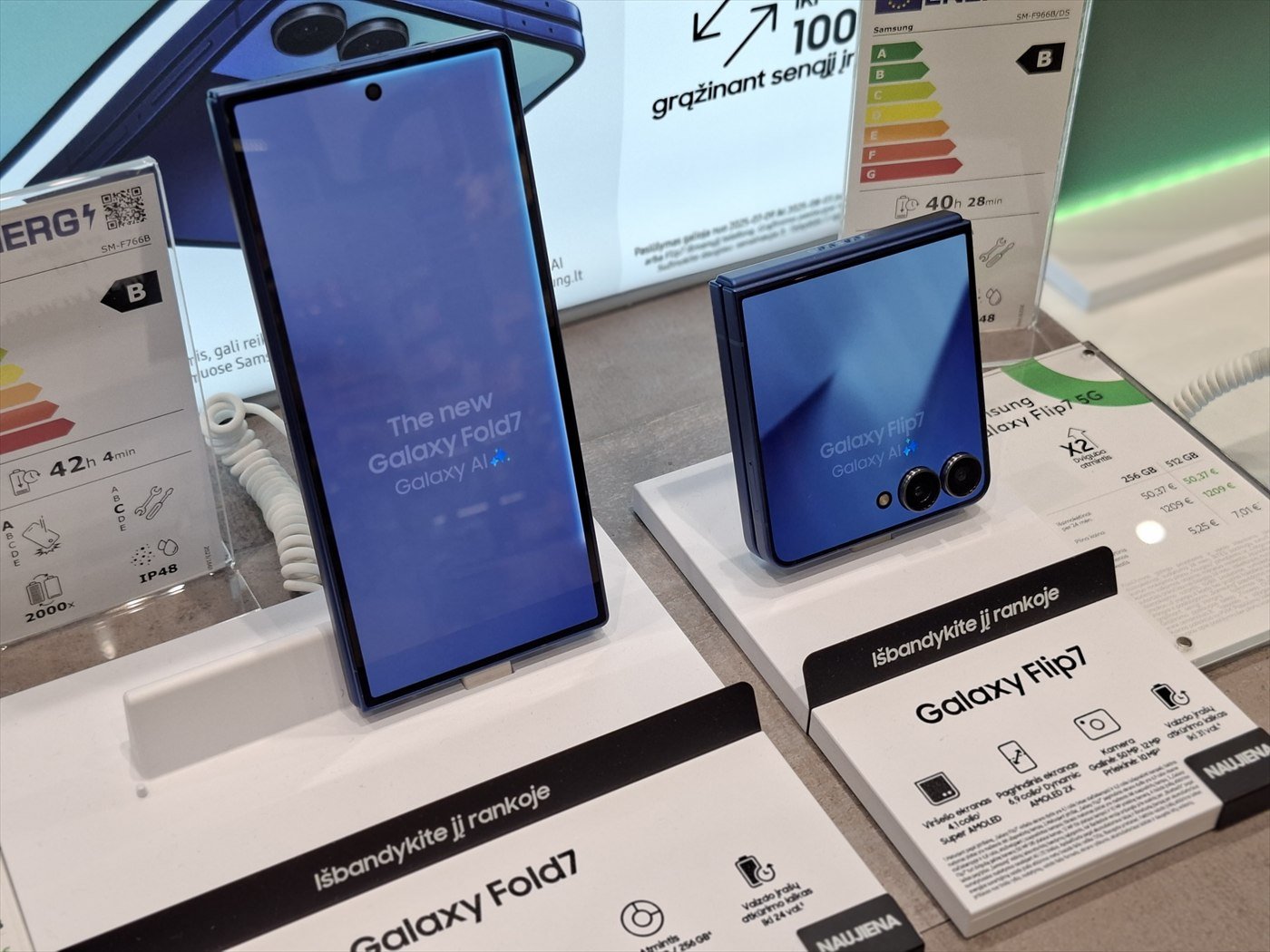
Then, in 2016, it sold a phone that caught fire.
The Galaxy Note 7 went on sale on 19 August 2016. Within weeks there were reports of batteries overheating and burning. Samsung recalled the phones and issued replacements — and the replacements had the same fault. On 10 October 2016 it recalled every Note 7 in the world, and the next day it stopped making the phone altogether. Airlines banned the device from their planes.
The recall cost billions of dollars. What stands out is how little lasting damage it did. The following year’s phones sold normally and the brand recovered, partly because the company had visibly chosen to take the loss rather than argue.
The Family and the Law
Samsung’s success sits beside a record of legal trouble that reaches the top of the family.
Lee Kun-hee was convicted twice, in 1996 and 2008, on corruption and tax-evasion charges, and pardoned both times. His son, Lee Jae-yong, was arrested in February 2017 on bribery charges linked to the scandal that brought down President Park Geun-hye. He was sentenced to five years, freed after a year when an appeals court suspended and halved the sentence, jailed again after a retrial in 2021, released on parole, and pardoned by the president in August 2022. Two months later he became chairman.
When Lee Kun-hee died in October 2020, his heirs faced an inheritance-tax bill of about 12 trillion won — roughly $10.8 billion, the largest on record. The family finished paying it in April 2026.
In South Korea the phrase “Republic of Samsung” is used both with pride and as a complaint. Both uses are fair.
Behind in the AI Boom, Then Ahead
The artificial-intelligence build-out should have been Samsung’s moment. AI processors need vast amounts of fast memory, and Samsung was the world’s biggest memory maker.
Instead, for a time, it fell behind. The prize was high-bandwidth memory, or HBM — stacks of memory chips that sit beside the processors that train AI models — and its smaller domestic rival, SK Hynix, got there first and won the early orders. For a company whose identity rested on leading in memory, coming second at home was a genuine humiliation, and the share price showed it.
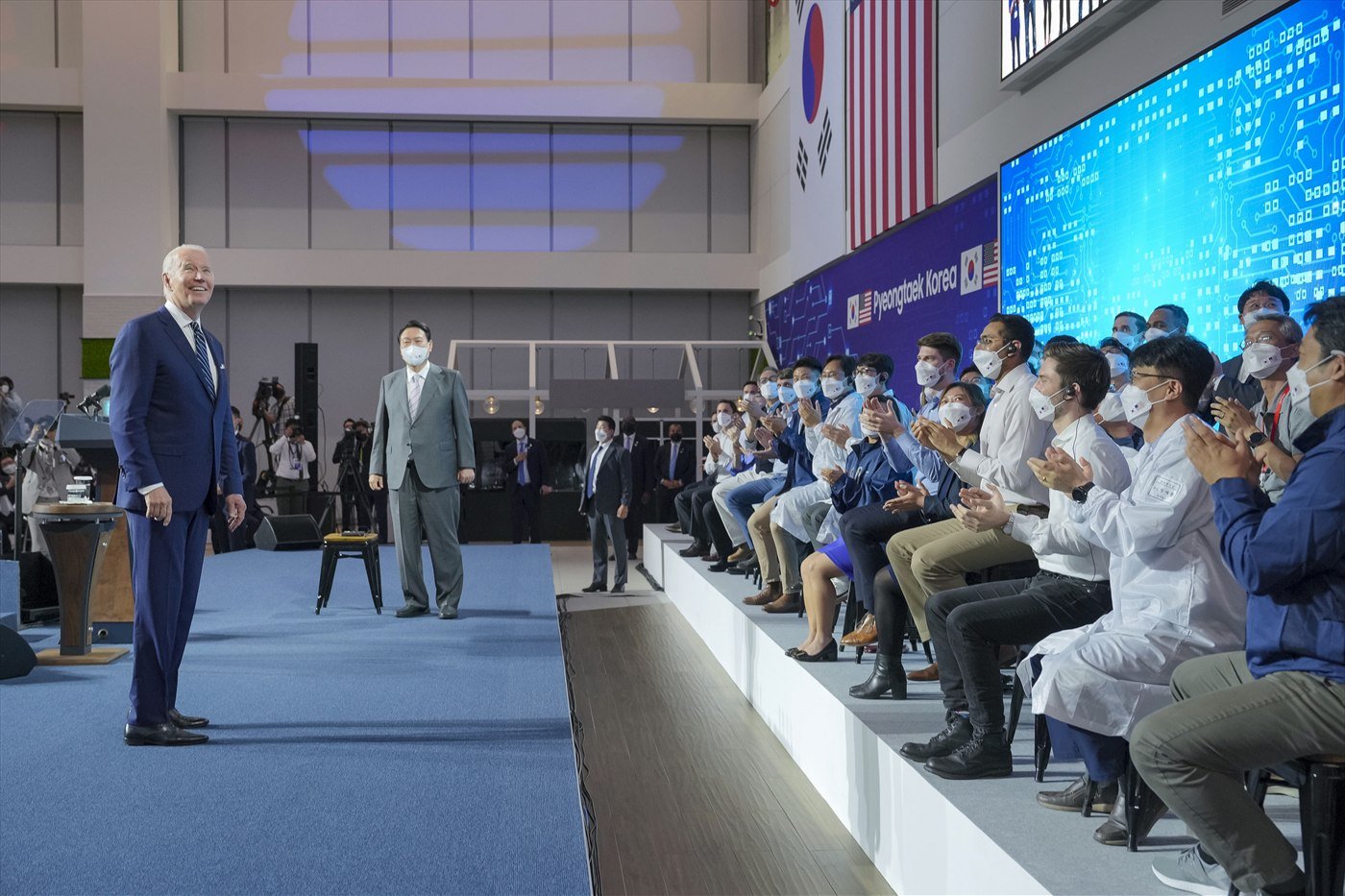
The recovery, when it came, was fast. On 12 February 2026 Samsung began shipping its most advanced HBM4 chips. In the first quarter of 2026 it reported an operating profit of about $36 billion, more than it had earned in the whole of the previous year. In May 2026, after its shares had more than quadrupled in twelve months, it reached a market value of $1 trillion.
For 2025 as a whole, Samsung Electronics reported revenue of 333.6 trillion won and net profit of 45.2 trillion won, with about 259,000 employees.
What Could Still Go Wrong
Three things are worth stating plainly.
The cycle. Memory has always been a boom-and-bust business. The 2026 profits are extraordinary because chip prices are extraordinary, and prices in this industry have never stayed high for long.
The foundry gap. Samsung also manufactures chips designed by other companies, in direct competition with Taiwan’s TSMC. It was early to put a new generation of transistor design into production and began making 2-nanometre chips in 2025, but TSMC still wins most of the leading customers. Being a strong second in two of the hardest businesses in technology is expensive.
Governance. The group is still controlled by one family through a web of cross-shareholdings, and its history of convictions and pardons is recent. Investors have learned to allow for the possibility that the company’s interests and the family’s are not always the same thing.
It started with dried fish. Eighty-eight years later, a large share of the memory that artificial intelligence runs on comes from the same company — which is either the most improbable corporate story in Asia or the most logical one, depending on how much you believe in bonfires.
Common Questions
Who founded Samsung, and when?
What was Samsung’s Tokyo Declaration?
What was the Frankfurt Declaration?
Why was the Galaxy Note 7 recalled?
Who runs Samsung today?
How big is Samsung Electronics?
How This Was Written
Figures are as at the date of publication. Samsung Electronics reports quarterly and chip prices move quickly; corrections are welcome.
Photography is public domain or CC0 and is credited in the site’s image credits. Corrections: commissions@99founder.com.