Founder profileReal estate · Agra
Commissioned record
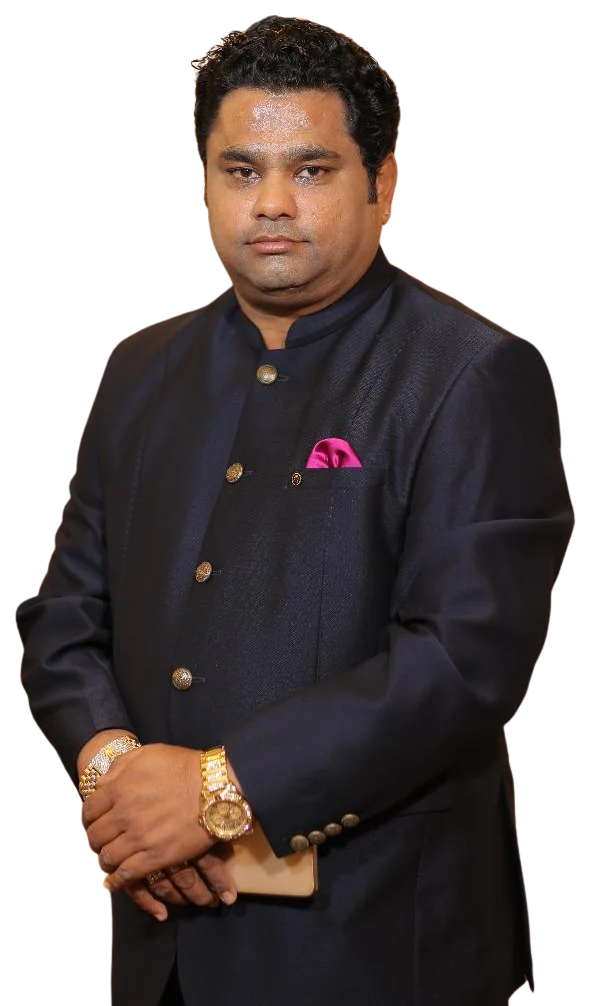
Meet
Rohit Jain
Co-founder & chairman,
Ahinsa Group
Behind the Green Valley townships, and president of BJS Uttar Pradesh. He founded the firm with three partners on Republic Day 2024 — and chose the name it now has to live up to.
Agra, Uttar Pradesh
The word on the board
means non-violence.
- 6Projects
launched - 19Recognitions,
2024–2026 - 3Cities across
two states
Six projects in three years
View all projectsRoles & expertise
Roles
- Co-founder & chairmanAhinsa Group, Agra2024 – present
- President, BJS Uttar PradeshBharatiya Jain SanghatanaNon-profit
- Family businessPetrol pumps, fertilisers and agricultureBackground
What the group covers
- Plots
- Apartments
- Duplexes
- Independent houses
- Villas
- Shops & showrooms
- Land acquisition
- Construction
- Material supply
- Consultancy
- Architectural design
From land to keys
-
01
Acquire
Agricultural land, aggregated from farmers and landowners — the part of the family trade that carried over.
-
02
Design
Architectural design in-house, planned for whole families — down to a separate park for senior citizens.
-
03
Break ground
A bhoomi pujan before construction begins, with the chairman there in person.
-
04
Build
Construction and material supply under one roof, including what nobody inspects: the STP and rainwater harvesting.
-
05
Deliver
Possession against a date — the promise the chairman put at the front of the pitch.
A builder does not really sell square feet. He sells the trust a family places in the roof over their heads.
Quality of construction.
Transparency in dealing.
Delivery on time.
Rohit Jain is the chairman of Ahinsa Group, the Agra developer behind the Green Valley townships. He is one of four partners who founded the firm on Republic Day 2024, and the one who chose the name it now has to live up to.
The Word He Put on the Board
Most builders name a company after a family, a place, or a word that sounds solid and commits them to nothing.
Rohit Jain chose Ahinsa.
It means non-violence. It is the central idea of Jain thought — the belief that a person should live without causing harm to any living being. Read a little wider, it stands for peace, and for growth that costs nobody else something.
Jain teaching does not stop at physical harm. Cheating is harm. Breaking a promise is harm. Taking a family’s savings and not giving them what you said you would give them is harm.
Anyone who has bought property in India understands what a risky choice that is for a construction company. This is an industry where buyers arrive expecting trouble. Possession dates slip. Papers stay unclear. Phones stop being answered.
By putting that word on the board outside every site, the chairman handed his own buyers a stick to measure him with. The board now stands at four locations in Agra district. Every person who walks past it is entitled to expect the name to mean something.
A builder does not really sell square feet. He sells the trust a family places in the roof over their heads. Ahinsa Group
What the Family Did Before
Rohit Jain did not come to property from property.
Asked on camera about his background, he puts it plainly: the family business was petrol pumps, fertilisers and agriculture. That is a trading and agricultural-supply line, not a construction one — a world of stock, seasons, margins and land, but not of drawings, contractors and possession dates.
It is worth registering what that means. A builder who inherits a construction firm inherits its site engineers, its contractor relationships and its reputation. Someone arriving from fertilisers and fuel inherits none of that. What he brings instead is a feel for working capital, for a business where the money goes out long before it comes back, and for dealing with farmers and landowners — which, in a plotted-township business built on aggregating agricultural land, turns out to be the more useful half.
He is unusually direct about who carried him there. Speaking on the record, he thanks his parents, his family and his friends for supporting him fully. His wife, the same film notes, stands with him on every decision.
Founders often present themselves as self-made. This one names the people who financed the confidence.
Republic Day, 2024

The company began on 26 January 2024, in Agra.
There was nothing on the ground that day. An open piece of land beside National Highway 2, a little east of the city near Etmadpur. No boundary wall, no roads, no water line — the kind of plot people drive past for years without noticing.
There was also no earlier business behind it. No old family firm to lean on, no completed project to show anyone, no track record to point at. The first project and the first day of the company were the same day.
Choosing Republic Day was not an accident, and it set a habit the group has kept: marking its own milestones on dates that already mean something to the city.
Then the first project worked — better than anyone had planned for. Plots moved. Buyers came back with relatives. The board outside the site started doing the selling on its own.
Why He Did Not Do It Alone
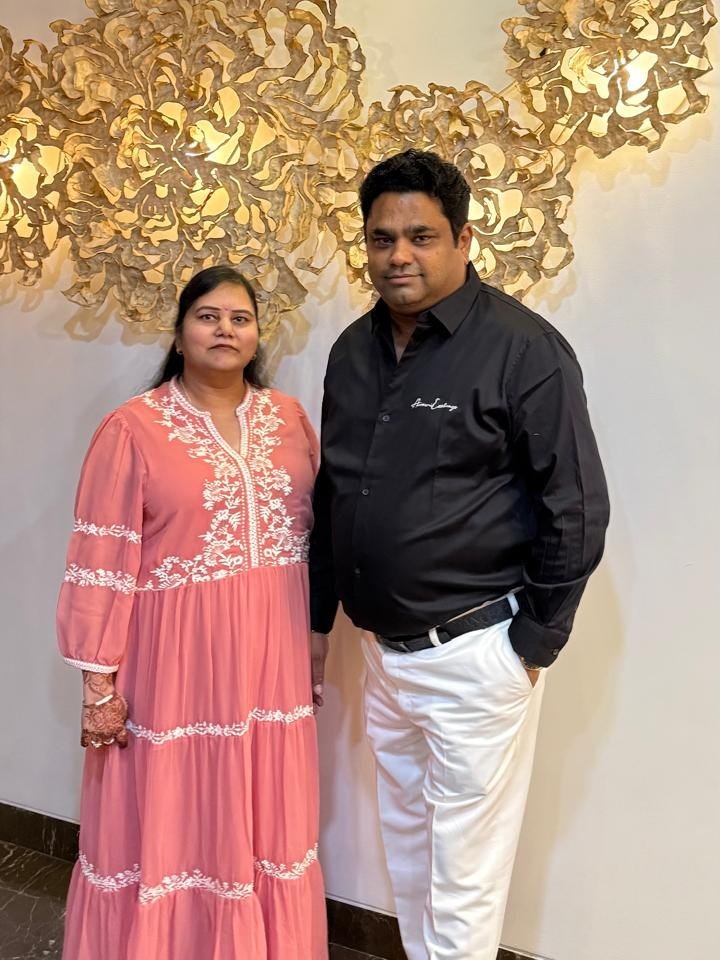
Ahinsa Group was set up as a partnership, not a one-man company. Rohit Jain took the chairman’s seat alongside three partners: Jitendra Yadav, Rakesh Agarwal and Sanjay Gupta.
That structure was a decision, not a formality.
In Agra, people do not buy property by reading company reports. They ask around. They want to know who the builder is, whether he lives in the city, and whether anyone in their circle has had a bad experience with him.
A partnership of four means four people who can be asked about, and four people with their own money at stake. For a brand new company with nothing built yet, that was the strongest assurance it could offer on its very first day — and it is a founder’s decision, not an accountant’s. A sole proprietor keeps more. He also carries a name that only one person can vouch for.
The First Bet
The first township was a plotted development — buyers purchase the land and build their own house on it. It is still how most people in Agra prefer to buy: their own gate, their own terrace, and the freedom to add a floor when the family grows.
It was registered under RERA number UPRERAPRM340564. Public listings put it at around 173 units with possession due on 14 April 2026, with plot sizes running from a compact 375 square feet up to 1500.
Two things in the amenity list say something about how the chairman thinks, and neither of them sells a single plot.
The first is a separate park for senior citizens — not standard in schemes of this size, and a sign the township was planned for whole families rather than young buyers alone. The second is the sewage treatment plant and the rainwater harvesting system. They cost money and win no attention at all. Nobody books a plot because of an STP. They decide whether a colony is still a decent place to live fifteen years after handover.
Spending on the parts nobody inspects is the clearest tell a builder gives about what he is actually optimising for.
Fatehabad Road in Under Three Years
The first project’s numbers came back good, and the group stopped moving cautiously.
Green Valley Orchid followed in the same Kuberpur belt — building twice in one locality is the clearest signal a developer can send, because the first project tests a market and the second commits to it. Then Empire, inland at Mudi Chauraha. Then the flagship: The Grand Green Valley on Fatehabad Road, the stretch running east from the Taj Mahal that carries the most expensive land in the city.
That progression is worth pausing on. Fatehabad Road is not where a new builder starts. It is where one arrives after proving himself somewhere cheaper first. Ahinsa Group got there in under three years.
Then two projects took the company out of Agra entirely — City Centre Mall in Firozabad, its first commercial work, and Green Valley Lake City in Gwalior, its first outside Uttar Pradesh. The mall in particular is a different kind of commitment: selling plots ends at the registry office, while a mall has to be built, leased and run for decades afterwards.
Six Projects in Three Years
Four of them sit in Agra district, along the corridors the new roads have opened. The other two took the company out of the city altogether — one into commercial property, one into another state.
-
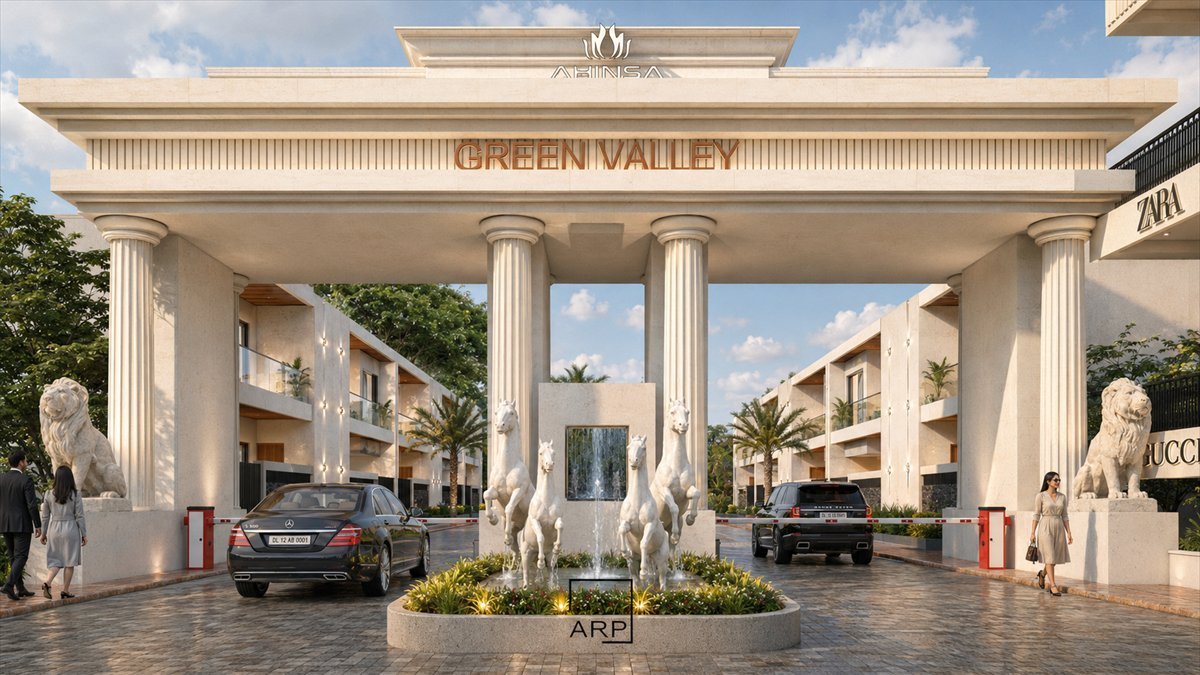 Kuberpur, Agra Ahinsa Green Valley The first township, a plotted development on NH-2 near Etmadpur, by the junction where the Inner Ring Road meets the expressways.
 -
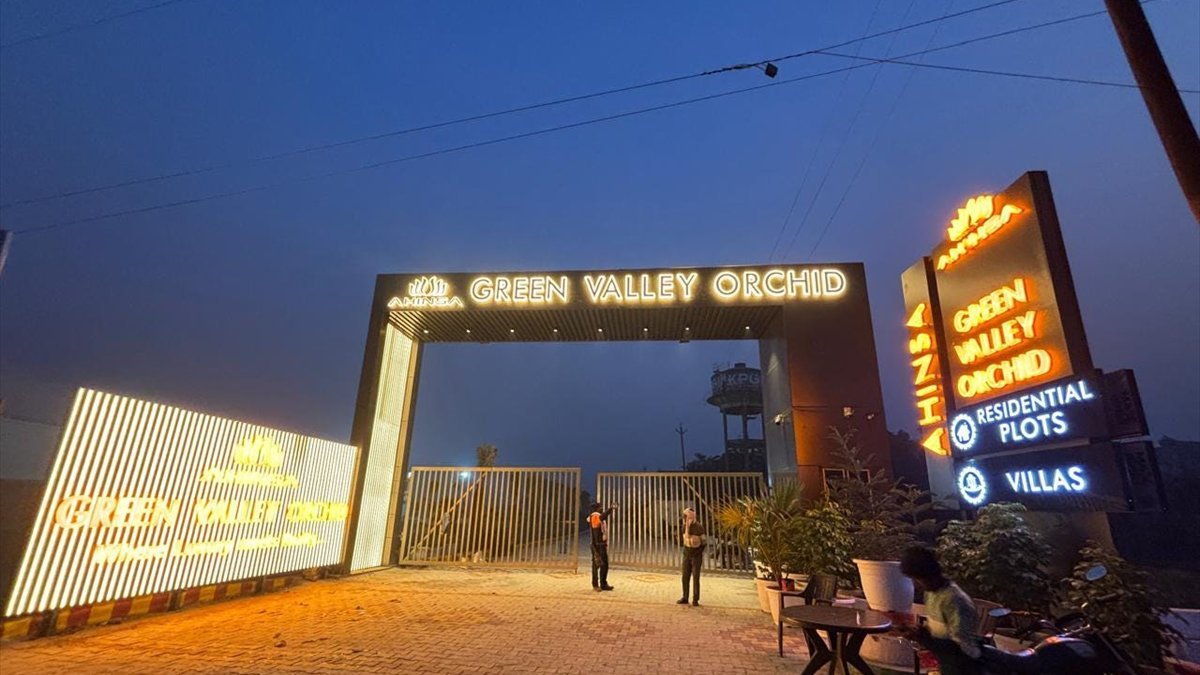 Kuberpur, Agra Ahinsa Green Valley Orchid The second project in the same locality — the clearest signal a developer can send about where he thinks a market is going.
 -
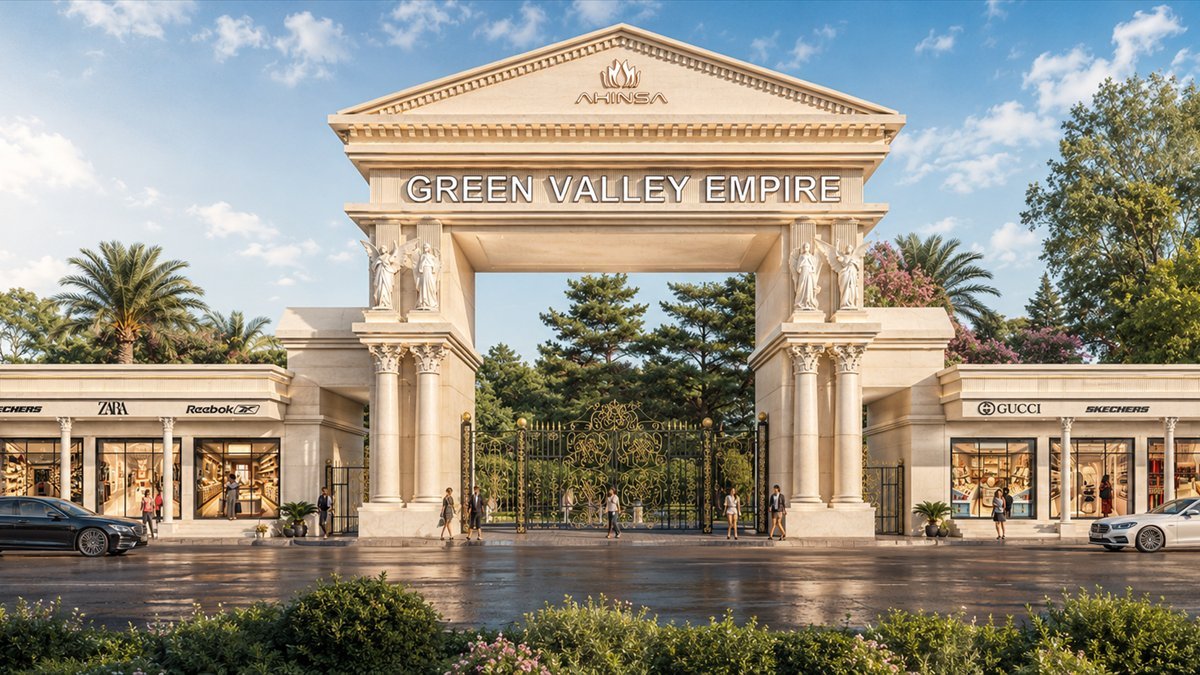 Mudi Crossing, Agra Ahinsa Green Valley Empire An arterial crossing on Agra’s expanding eastern belt, extending the Green Valley line inland.
 -
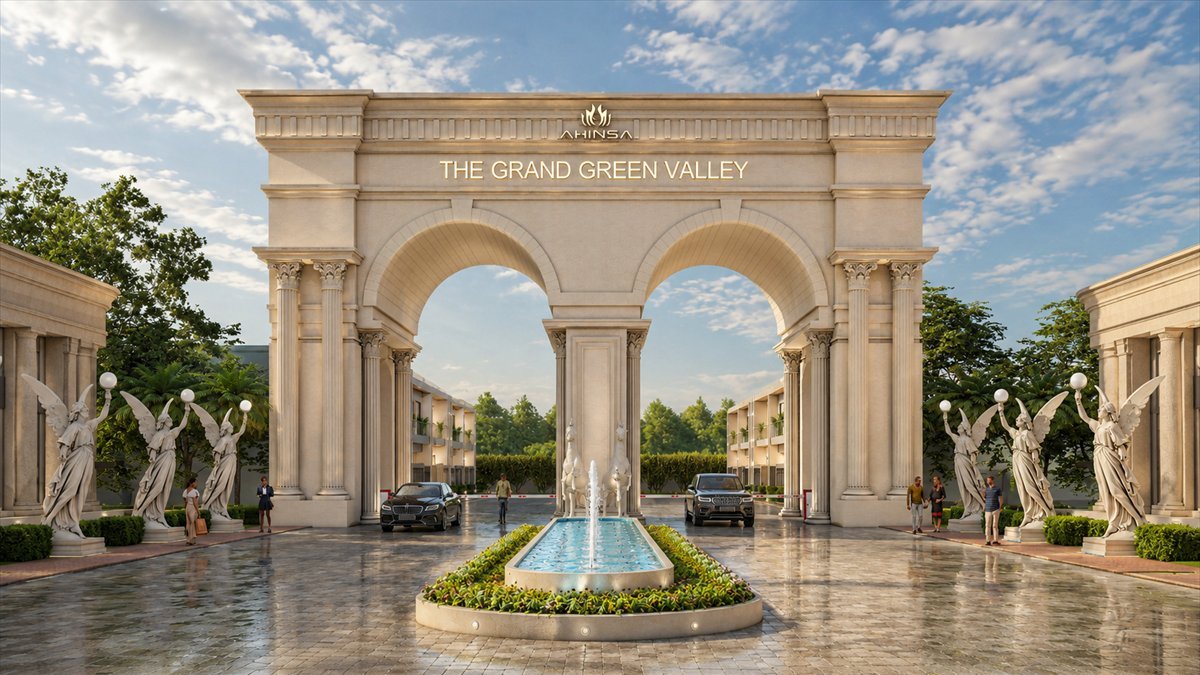 Fatehabad Road, Agra Ahinsa The Grand Green Valley The flagship, on the stretch running east from the Taj Mahal that carries the most expensive land in the city.
 -
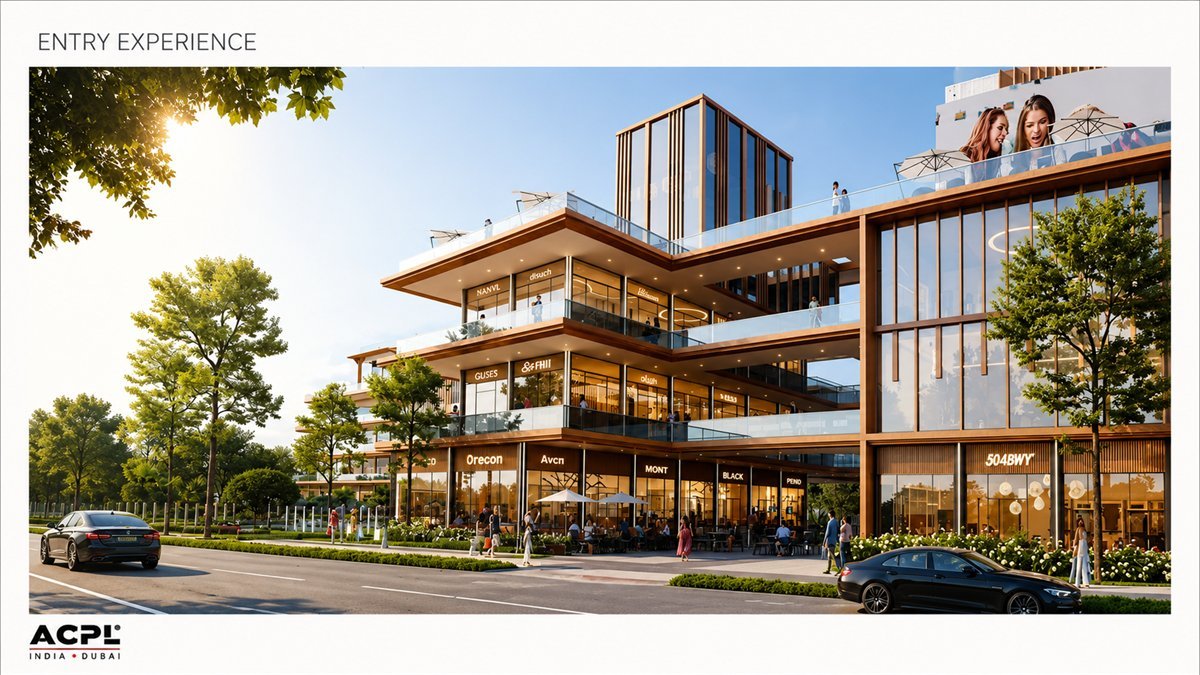 Firozabad, Uttar Pradesh Ahinsa City Centre The first commercial project and the first outside Agra — a hi-street mall in India’s glassmaking city, 40 km away.
 -
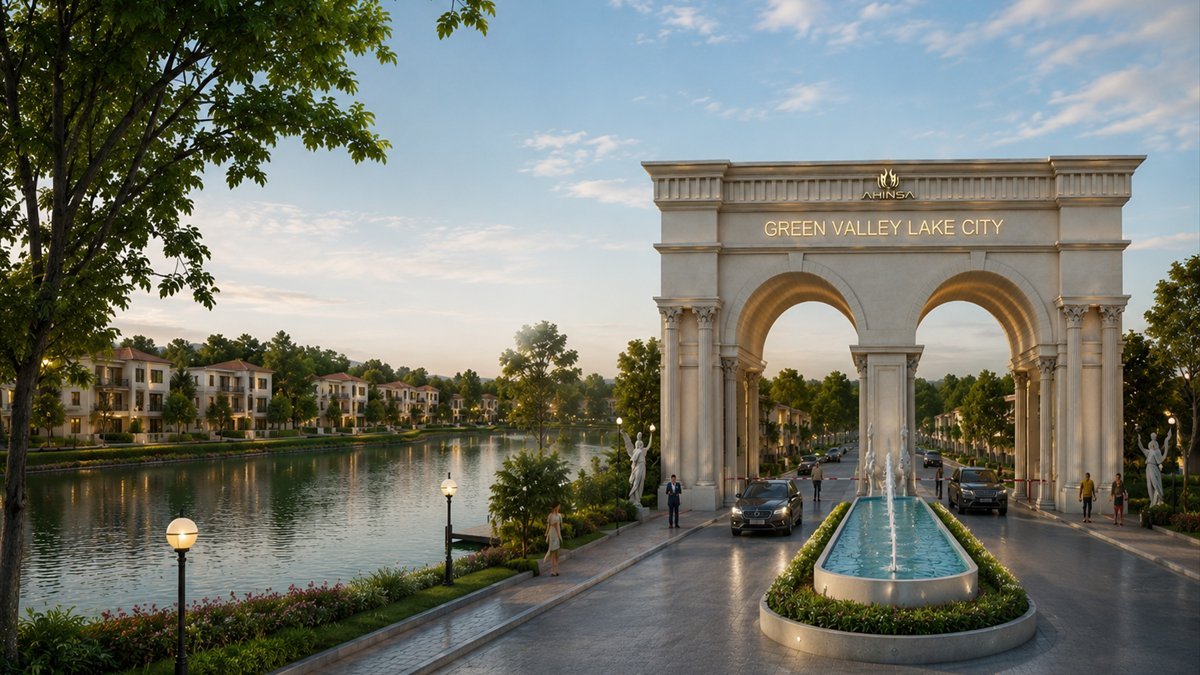 Gwalior, Madhya Pradesh Ahinsa Green Valley Lake City The first project outside Uttar Pradesh, carrying the Green Valley name down the NH-44 corridor.
The group builds plots, apartments, duplexes, independent houses and villas, and the commercial work adds shops and showrooms. It also carries the pieces around the building: land acquisition, construction, material supply, consultancy and architectural design — so a buyer is not handed between four firms on the way from bare land to keys.
The Promise With a Date on It
The group positions itself on three things: quality of construction, transparency in dealing, and delivery on time.
The third one is the sharpest, and the most dangerous to say out loud.
Late possession is the biggest complaint in Indian real estate. It is the failure that forced the government to bring in RERA. It has swallowed the savings of lakhs of families who paid on time and then waited years for keys.
Any builder can promise quality, because quality is hard to measure and easy to argue about. A promise about timelines is different. It comes with a date on it. Putting that promise at the front of the pitch means agreeing to be judged by a calendar — and the chairman put it there anyway.
The Other Half of the Week
For a company named after Ahinsa, community work is not a side activity, and for its chairman it is not a photograph either.
Rohit Jain serves as President of BJS-UP, the Uttar Pradesh unit of Bharatiya Jain Sanghatana.
BJS is one of India’s larger non-profit organisations. It was founded in 1985 by Shantilal Muttha, is based in Pune, works nationwide and stays out of politics. Its work covers disaster relief, water conservation, health, education and social development. Its early campaigns grew into a national movement against dowry deaths and female foeticide. Since 1993 it has been present at nearly every major disaster in India and its neighbouring countries, including through the COVID-19 pandemic, and it has desilted thousands of water bodies to restore their storage capacity. Its real strength is a volunteer network active in Uttar Pradesh and ten other states.
Running the Uttar Pradesh unit of an organisation like that is not a ceremonial post. It is a standing claim on a person’s calendar.
He is also associated with VSPS Trust, through which the group supports charitable work in and around Agra.
The Days He Does Not Delegate
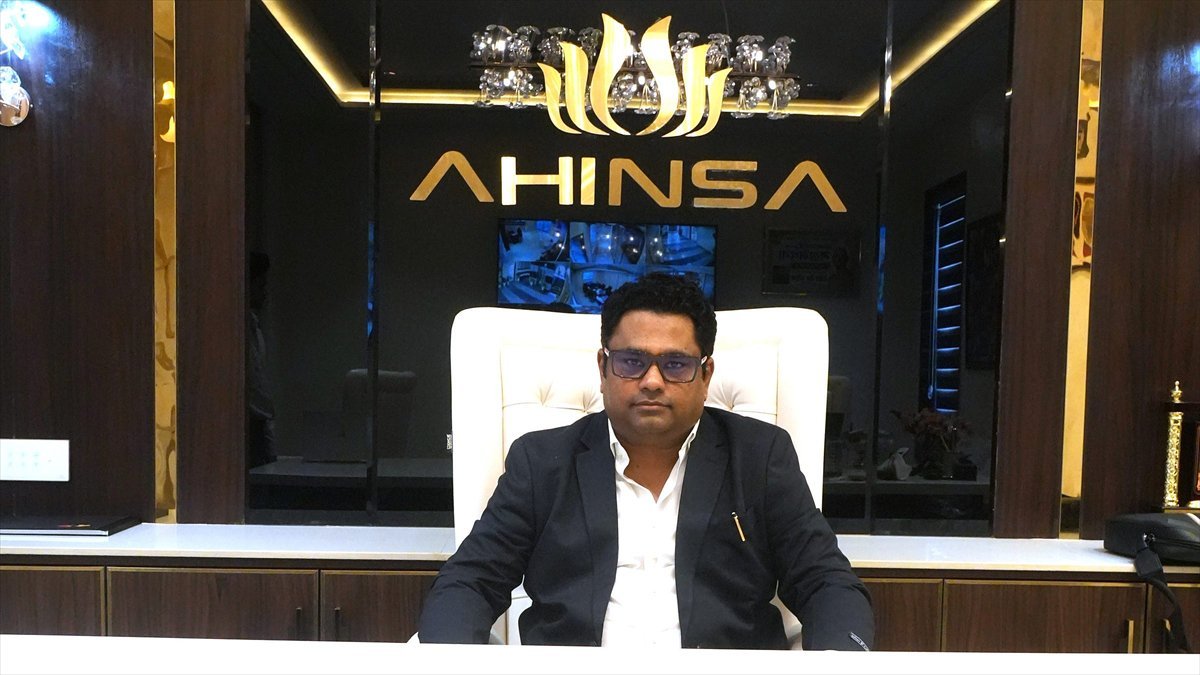
There is a category of appointment the chairman of a growing company usually hands to somebody else. Rohit Jain keeps them.
He is present in person at every bhoomi pujan — the ground-breaking rite performed before construction begins — and at every office opening. The reasoning he gives is not commercial: every beginning asks for a blessing.
On Republic Day and Independence Day he hoists the flag standing with his team and his customers. At Diwali and during Navratri the same group is present again. And every year at Makar Sankranti he keeps a commitment he has made a fixture of the calendar.
Two things are worth drawing out of that list.
The first is who is standing there. In Indian real estate the relationship with a buyer usually ends at the registry office — the papers are signed, the file closes. Inviting those same buyers back for a flag-hoisting or a festival treats them as a standing constituency rather than a completed transaction. It is a slower way to run a customer list, and a harder one to fake.
The second is the date. This is a company founded on 26 January — Republic Day — and its chairman raises the flag on that day every year with the people who bought from him. The founding date was not a marketing choice made once. It is a habit he keeps re-enacting.
Nineteen Times in Three Years
Since the company started, the group and its chairman have been honoured nineteen times by media houses, industry bodies and cultural organisations. Two of those came in 2024, eight in 2025, and nine more in 2026.
The full list, most recent first, with the photograph from each ceremony.
-
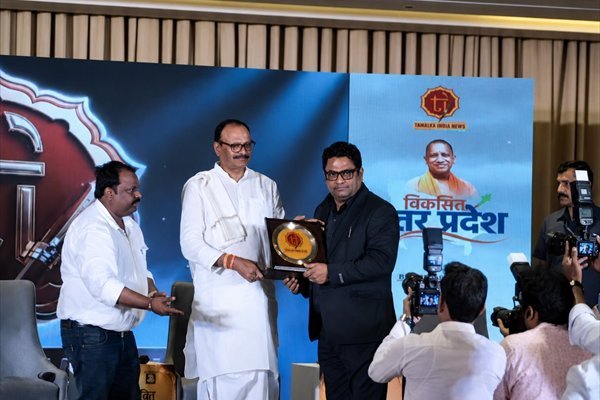 Viksit Uttar Pradesh Conclave 2026 Honour Tamalka India News
 -
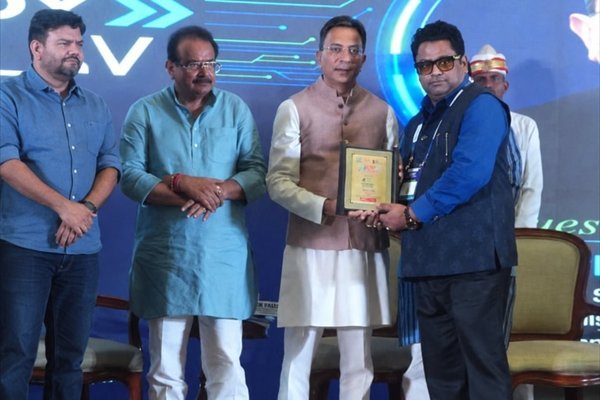 AI Future Ready Conclave 2026 Honour AI Future Ready Conclave 2026
 -
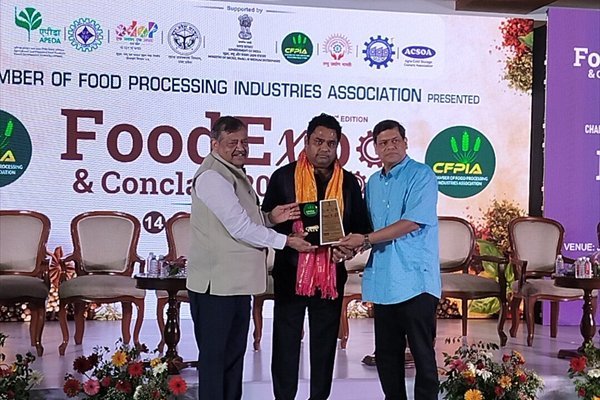 Food Expo & Conclave 2026 Honour Chamber of Food Processing Industries Association (CFPIA)
 -
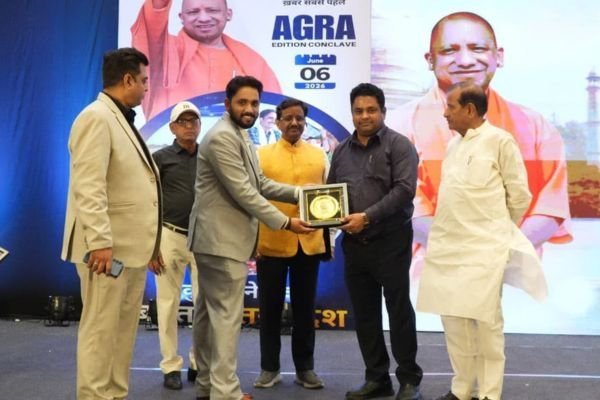 Kushal Netritva – Badhta Uttar Pradesh Conclave Honour Bharat Update News Channel
 -
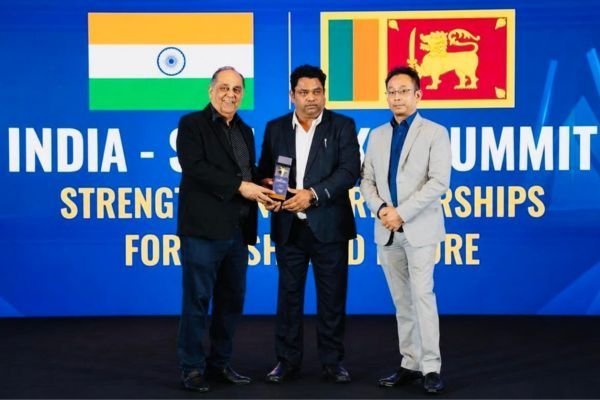 Excellence in Real Estate India–Sri Lanka Business Summit & Global Innovation Leadership Summit
 -
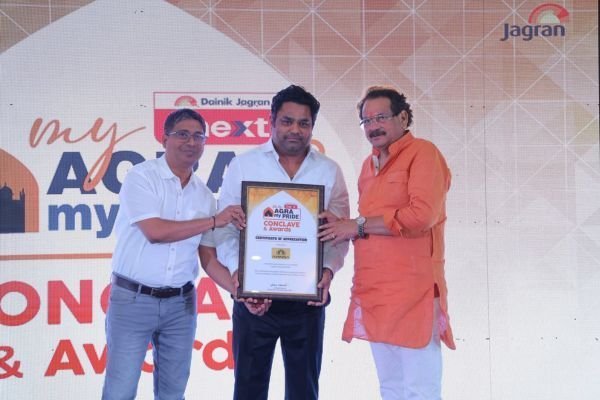 My Pride, My Agra Dainik Jagran iNext
 -
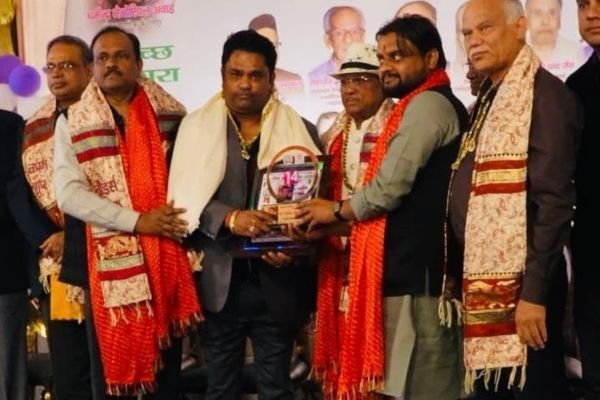 14th Leaders Agra Awards 2026 Leaders Agra
 -
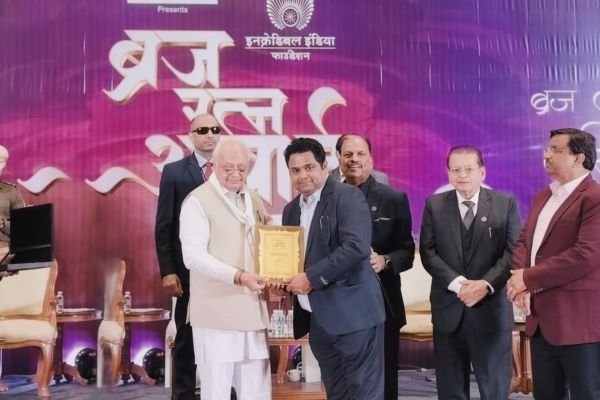 Braj Ratna Alankaran Samman Incredible India Foundation (In partnership with Bihar Governor's presence)
 -
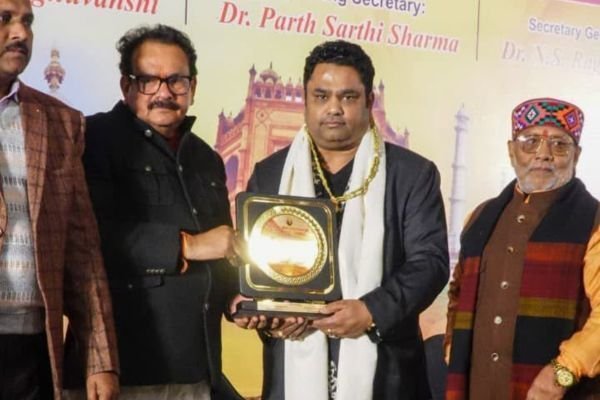 2nd All India Seminar Honour All India Homeopathy Doctors Association
 -
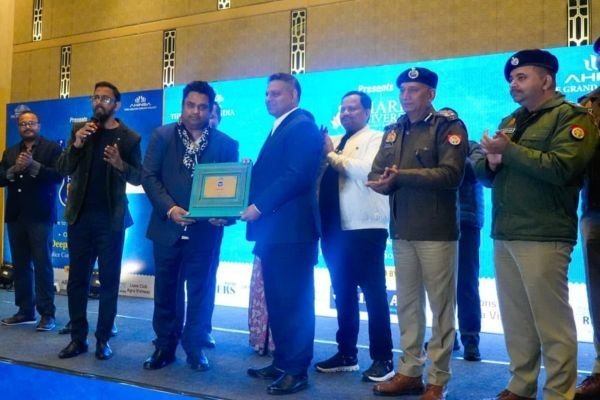 Agra Police Pride Felicitation Times of India Group
 -
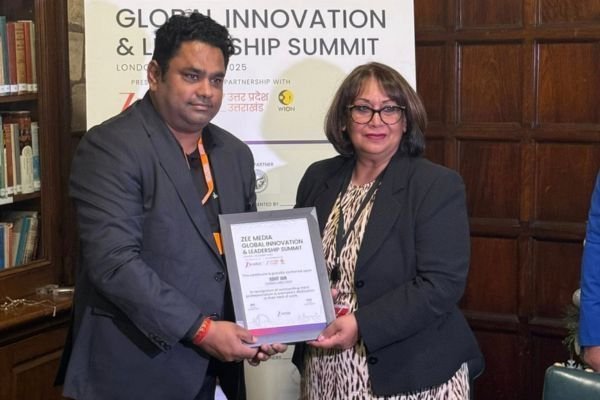 Real Estate Excellence Award Zee Media (Global Innovation & Leadership Summit, London)
 -
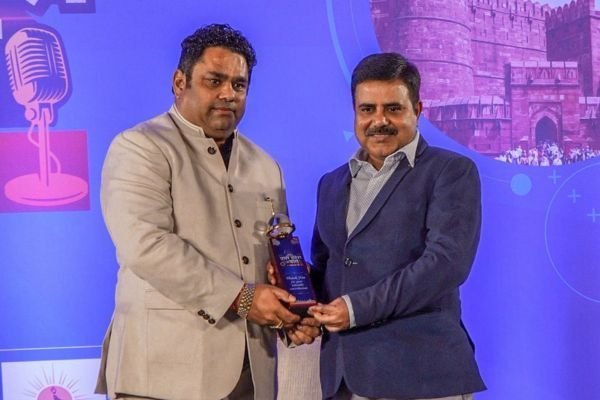 Zee News Conclave Honour Zee News
 -
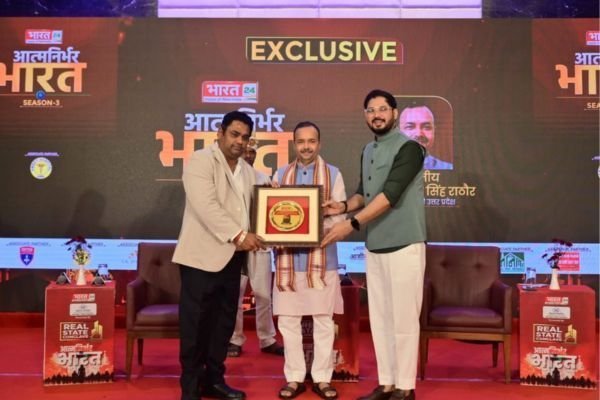 Emerging Real Estate Developers 2025 Bharat 24 News Channel (Real Estate Conclave 2025)
 -
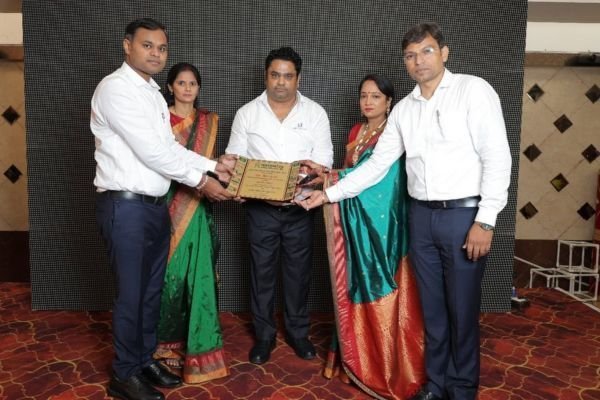 Chief Guest Honour Haveniize Infratech Pvt. Ltd.
 -
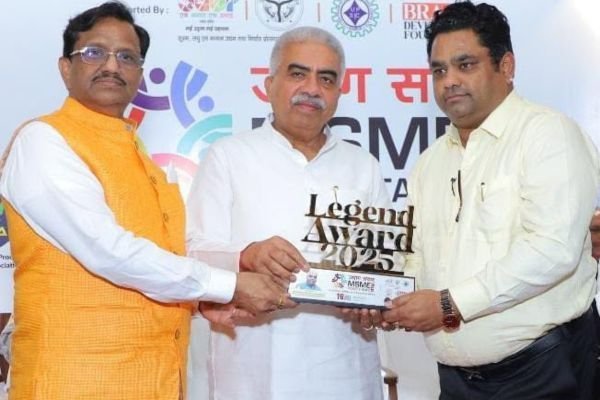 Legend Award 2025 MSME Power Talk 2025
 -
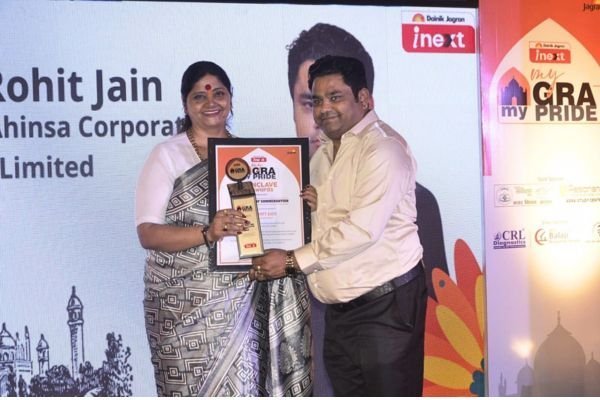 My Pride My Agra Dainik Jagran Agra
 -
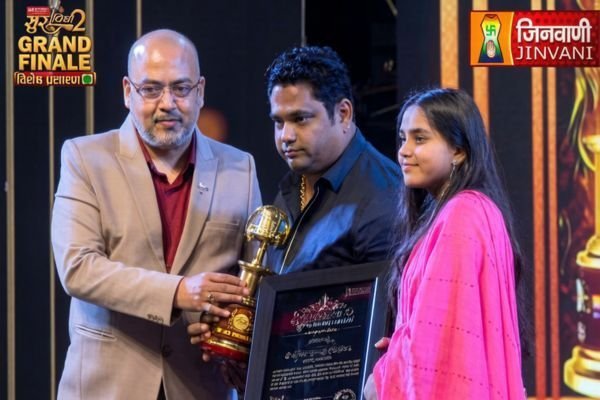 Sur Vidya Grand Finale Honour Jinwani Channel
 -
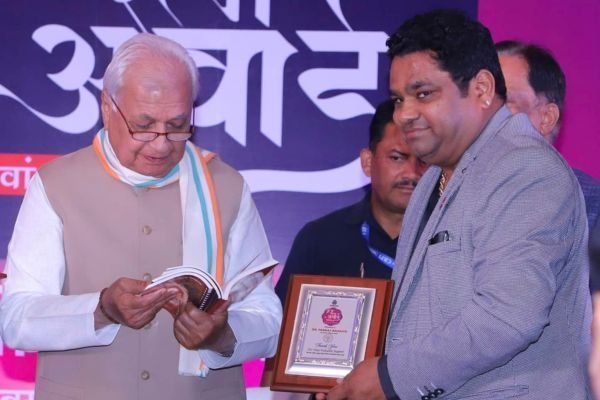 Braj Ratna Award Incredible India Foundation (IIF)
 -
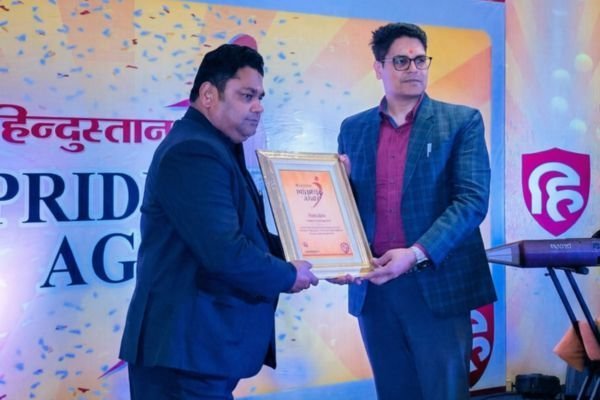 Pride of Agra Hindustan
Read the list together and a pattern shows. About half are business awards. The other half are cultural and social ones — Braj Ratna twice, Pride of Agra, a police felicitation.
For a man who runs a construction company, that balance is telling. The recognition has come as much for what he has given the city as for what he has built in it.
What He Still Has to Prove
Three years is a short life for a real estate company. It is barely one project cycle — long enough to launch a township, not always long enough to hand it over.
What Rohit Jain has done in that time is on the ground and visible. Four locations across Agra district. A project on the city’s most expensive road. Two more announced in other cities. Nineteen recognitions along the way.
But the real test is still ahead, and he has already named it himself. Possession at the first township falls due in 2026. Families will either get their keys on time, or they will wait.
That is what will decide the story. Not the launches, not the awards, not the write-ups.
A man who put Ahinsa on the board has set his own exam paper. Now he has to sit the test.
Common Questions
Who is Rohit Jain of Agra?
Who is the owner of Ahinsa Group Agra?
What is Rohit Jain’s role in Ahinsa Group?
Which projects has Ahinsa Group built under Rohit Jain?
What is Rohit Jain’s family background?
What does Rohit Jain do outside the business?
The Interview
Much of what is on this page in his own words — the family business, the thanks to his parents, the festivals kept with buyers rather than only with staff — comes from this filmed interview, published by Ahinsa Group.

ROHIT JAIN | The Journey Behind Ahinsa Group | Vision · Leadership · Legacy — published on the Ahinsa Group Agra channel. Watch on YouTube.
What Is Not Yet on the Record
The company’s own record is written separately and cross-linked to this one: Ahinsa Group Agra – Where Legacies Are Built.