Meta
Meta — called Facebook until 2021 — owns Facebook, Instagram, WhatsApp, Messenger and Threads. More than three billion people use at least one of them every day. In 2006, when its founder was twenty-two, he was offered a billion dollars to sell. He said no.
The Offer He Turned Down
In September 2006 Yahoo! held serious talks about buying Facebook. The price discussed reached $1 billion. The company was two and a half years old, earned little, and was run by a chief executive, Mark Zuckerberg, who had not finished university.
He declined. Plenty of people around him thought that was a mistake, and at the time it was a reasonable view. Social networks had a habit of rising fast and vanishing faster, and a billion dollars in hand is a certainty set against a guess.
The refusal is the first appearance of the trait that runs through the rest of this profile. Meta has chosen the larger, riskier future over the safe price on the table again and again — and has been right often enough to afford the times it was not.
A Directory for One University
TheFacebook went live on 4 February 2004 from a student room at Harvard. It was a directory of students, open at first only to people with a Harvard email address. Zuckerberg built it with four fellow students: Eduardo Saverin, Dustin Moskovitz, Andrew McCollum and Chris Hughes.
It spread to other universities within weeks. By the summer the company had moved to Palo Alto, and in 2005 it dropped the “The”.
What set it apart from the networks before it was a rule that now sounds unremarkable: people used their real names, tied to a real institution. That made it duller than the pseudonymous internet around it. It also made it far more valuable to advertisers, who were buying access to actual people rather than usernames.
Thiel, Accel and a $15 Billion Price Tag
The early money came fast. In the summer of 2004 the investor Peter Thiel put in $500,000 for just over a tenth of the company and joined the board. In May 2005 Accel Partners invested about $13 million.
In October 2007 Microsoft paid $240 million for 1.6 per cent of Facebook, a price that valued the whole company at around $15 billion — fifteen times what Yahoo had discussed a year earlier. Microsoft was not buying a website. It was buying a seat near the place people were starting to spend their time.
In 2008 Sheryl Sandberg joined from Google as chief operating officer. She stayed fourteen years and built the advertising machine that paid for everything that came after.
The Listing That Went Wrong
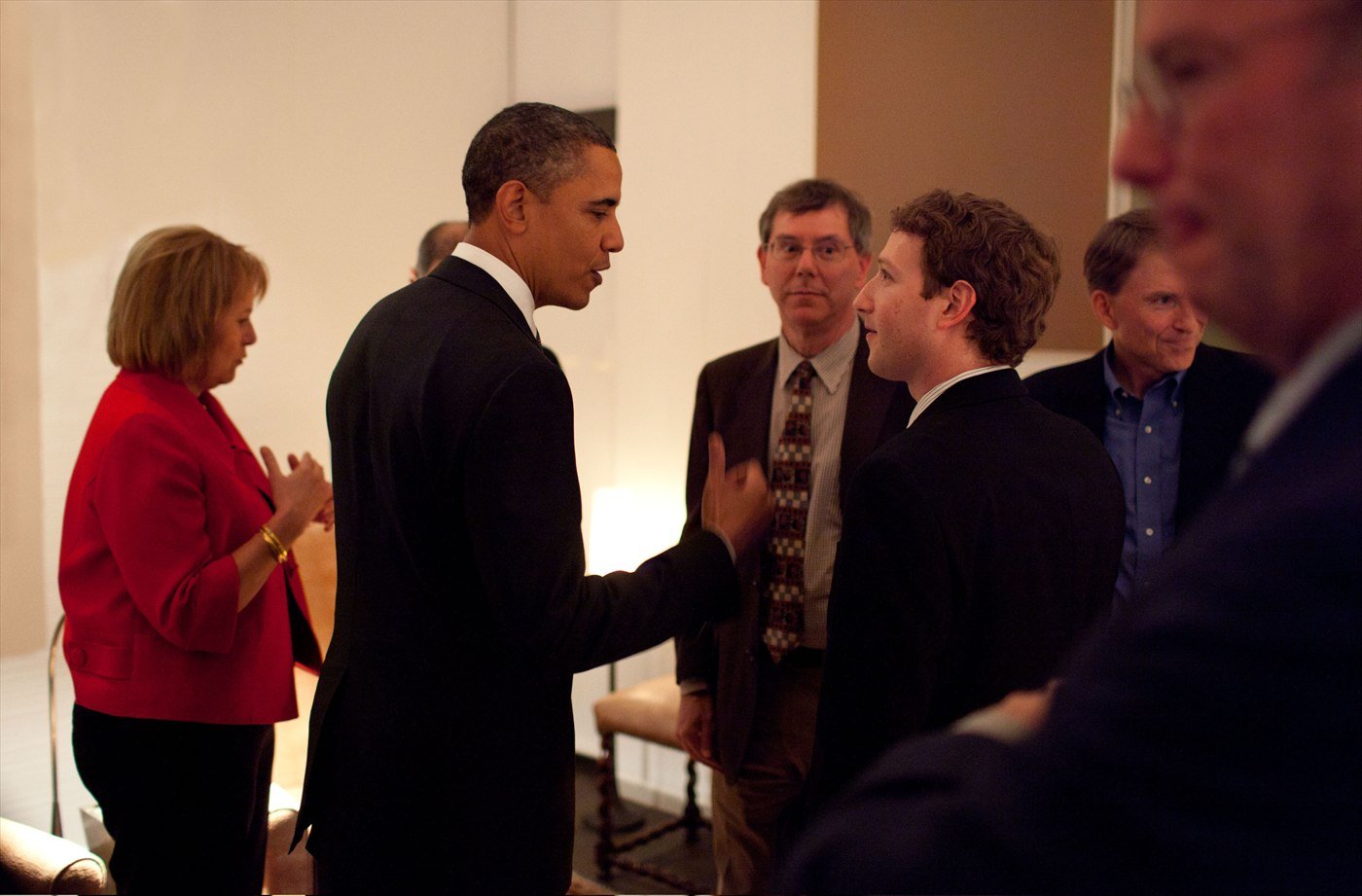
Facebook listed on the stock market in May 2012 at $38 a share. The offering raised $16 billion, the third-largest in American history at the time.
Then it went badly. Within four months the shares had lost roughly half their value. The problem was sitting in the company’s own filings: people were moving from computers to phones, and Facebook had almost no way to show them advertising there. A company priced as the future of the internet was losing ground on the device the internet was moving to.
The response was blunt. The apps were rebuilt, engineering was reorganised around mobile, and advertisements went directly into the phone feed. By the end of 2013 more than half of Facebook’s advertising revenue came from mobile, and the share price recovered. The episode set a pattern the company would repeat: see a shift late, then move on it faster and with more money than anyone else.
Buying the Future Before It Grew Up
The same instinct explains the two acquisitions that define Meta more than anything it built itself.
In April 2012, weeks before the listing, Facebook paid $1 billion for Instagram, a photo app with thirteen employees and no revenue. In February 2014 it agreed to buy WhatsApp, a messaging service that earned almost nothing either, for $19 billion in cash and stock.
Both prices were mocked. Both now look cheap. Instagram grew into one of the largest advertising businesses in the world in its own right, and WhatsApp became the default way to talk across much of India, Brazil, Europe and Africa.
They also became the centre of the most serious legal threat the company has faced. In 2020 the US Federal Trade Commission sued, arguing that Facebook had bought the rivals it could not beat and should be made to sell them. In November 2025 a federal judge ruled against the regulator, finding that Meta did not hold a monopoly in the market as it now exists.
Cambridge Analytica and the $5 Billion Fine
In March 2018 it emerged that a political consultancy, Cambridge Analytica, had obtained data on tens of millions of Facebook users through a personality-quiz app, without most of them knowing. The data had been collected years earlier, under rules Facebook had since tightened. That distinction satisfied almost nobody.
Zuckerberg was called to testify before the US Congress. In July 2019 the Federal Trade Commission imposed a $5 billion penalty over the company’s privacy practices, at the time the largest ever levied for a privacy violation.
The fine was enormous and the company absorbed it without difficulty, which is its own kind of finding. The more lasting cost was reputational: among regulators and much of the public, Facebook became the business that moves first and apologises afterwards.
Renaming the Company for a Bet
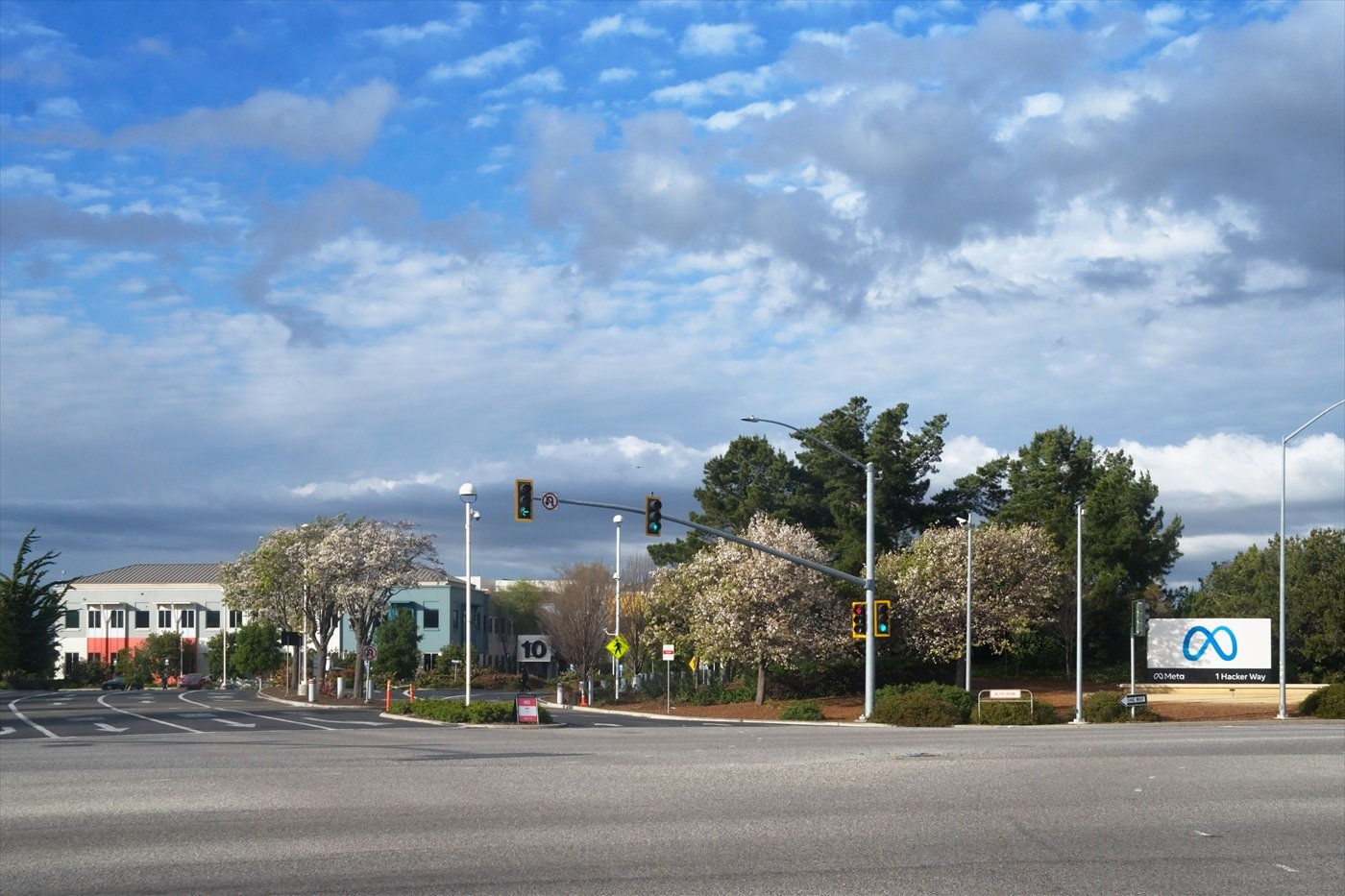
On 28 October 2021 Facebook, Inc. became Meta Platforms. Zuckerberg said the company’s future lay in the metaverse — shared virtual spaces reached through headsets and, eventually, glasses — and that the old name no longer described what it intended to become.
Very few companies have renamed themselves after something that did not yet exist. The division building it, Reality Labs, lost more than $60 billion between 2020 and 2024.
Then the core business wobbled. In February 2022 Facebook reported the first fall in daily users in its history, and the shares dropped by 27 per cent, wiping around $230 billion off its value. About 11,000 jobs went in November 2022 and a further 10,000 in March 2023, under what Zuckerberg called a “year of efficiency”.
The cuts worked, in the narrow sense investors cared about. Margins and the share price recovered. The metaverse spending carried on.
The Next Bet
The bet Meta is making now is artificial intelligence, and it is making it the way it made the others: early, expensively and in public.
In 2023 it began releasing its Llama language models for others to use and build on, and from July of that year allowed commercial use — a deliberate contrast with rivals that kept their best systems closed. In June 2025 it made a multibillion-dollar investment in the data-labelling company Scale AI and reorganised its research into a new Superintelligence Labs division. It spends tens of billions of dollars a year on the data centres that train and run the models.
Advertising pays for all of it. In 2025 Meta’s revenue was $201 billion, with net income of $60.5 billion. Zuckerberg owns about 14 per cent of the shares but controls around 61 per cent of the votes, which is why the company can keep placing bets its other shareholders would not always choose.
What Could Still Go Wrong
A profile that stopped there would read as a tribute. Three things are worth setting down.
Control. Meta’s share structure means one person decides its direction. That produced the Instagram purchase and the turn to mobile. It also produced tens of billions spent on a metaverse most people still do not visit, with no practical way for shareholders to stop it.
The legal ledger. The antitrust case was won, but the company still faces lawsuits and regulation on several fronts — over the safety of young users, over data protection in Europe, and, since May 2026, a lawsuit from major publishers alleging that their books were used to train Llama without permission.
One kind of income. Almost all of Meta’s revenue is advertising. The AI spending is a wager that better models will make that advertising more valuable and open new businesses beside it. If the returns come slowly, the bills will not.
The student who turned down a billion dollars in 2006 has been right about most of the large calls since. The next decade will show whether betting the company is still a strength when the company is worth well over a trillion dollars.
Common Questions
Who founded Facebook, now Meta, and when?
Why did Facebook change its name to Meta?
How much did Meta pay for Instagram and WhatsApp?
Did Facebook really turn down $1 billion from Yahoo?
What are Meta’s revenue and profit?
What happened in the FTC antitrust case against Meta?
How This Was Written
Figures are as at the date of publication. Meta reports quarterly and moves fast; corrections are welcome.
Photography is public domain or CC0 and is credited in the site’s image credits. Corrections: commissions@99founder.com.